
Facebook impersonation is a big problem for creators, but Meta’s new reporting tools are expected to stop scammers faster than ever. These changes are designed to help famous people better control their online identities by making it easier to report fake accounts that steal their images for profit. As Facebook grows, stopping impersonation is a top priority to keep users safe and build trust in the community. Meta is making it much harder for bad actors to exploit someone else’s hard-earned reputation by adding more advanced verification methods and clearer reporting options.
How Meta’s new tools tackle Facebook Impersonation
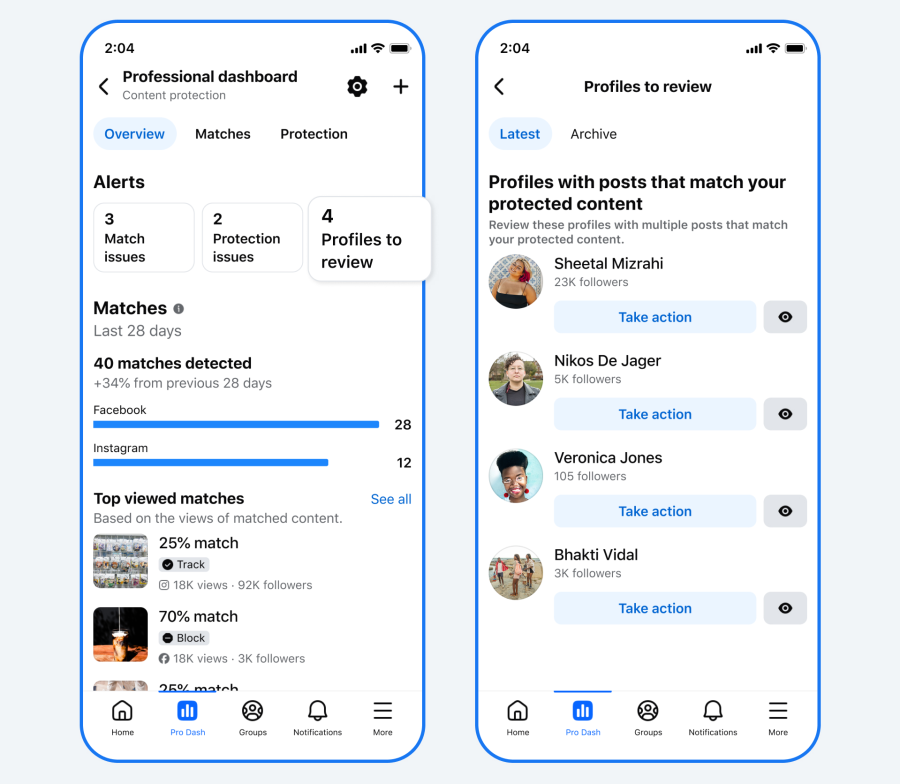
According to TechCrunch, Meta is rolling out a dedicated reporting flow specifically for high-profile users and creators. Scammers often create carbon copies of popular pages to trick fans into sending money, joining fake groups, or clicking phishing links. To stop these scams, the new system uses automated technology to compare reported profiles against the original creator’s data with much higher precision.

Since Facebook takes a proactive approach to impersonation, its systems can cross-reference images and bio details in a matter of seconds once a fake account is identified as fraudulent. According to Engadget, Meta has already said that it is also looking into using facial recognition to help verify identities, which is an important second layer of security. These tools are a big help for the gaming and tech community, where fake accounts often show up to offer fake “giveaways” or fake beta keys.
Protecting your identity and avoiding Facebook Impersonation
The battle against Facebook impersonation is an ongoing struggle that requires both smart technology and individual vigilance. While Meta’s latest tools are a massive step forward, staying safe online is a timeless necessity. Whether you are a casual user or a professional streamer, verifying an account’s authenticity is the best way to avoid being misled by a scammer’s tactics. The benefits of these new reporting features for users and creators include:

- Quick Removal: Fake profiles are reviewed and taken down much faster, giving scammers less time to reach their victims.
- Direct Dashboards: Creators can now use a single interface to monitor and address many reports of people pretending to be them on Facebook.
- Better Verification: Meta is making it harder for fake brands to use real ones by implementing stronger checks for accounts that use “Verified” badges.
- Better Communication: Users now receive more frequent updates on the status of their reports, so they know exactly when a case of Facebook impersonation is closed.
Scammers usually take the easiest route, so Meta is making it harder for people to maintain fake profiles, which makes it more expensive for those who want to impersonate someone on Facebook. Meta’s safety updates say that these changes are part of a larger effort to keep the social ecosystem a place where people can really connect. These structural changes help keep the platform safe for everyone, even as the methods people use to create fake accounts become more sophisticated.

Q: What do I do if I see someone pretending to be me on Facebook?
To report a fake account, go to its profile, click the three horizontal dots on the page, and then click “Report.” Selecting the specific “Impersonation” option helps the platform’s automated tools find and address the fraud more quickly.
Q: Can regular people use these tools that are made for creators?
Yes. The new dashboard is made for creators, but the better AI models used to detect Facebook impersonation help clean up the whole platform for everyone by identifying and removing bot networks and scam profiles.
Q: Will Meta’s tools for verification keep my facial data?
Meta claims that encryption protects the facial data used to verify identity in Facebook impersonation reports. The company also says this information is deleted immediately after the verification process is complete to protect users’ privacy.
In conclusion, these new features are a turning point in the fight for honesty on the social web. Meta is helping rebuild the trust needed for a healthy, growing online community by giving users better, more powerful tools to stop people from claiming to be Facebook users.