
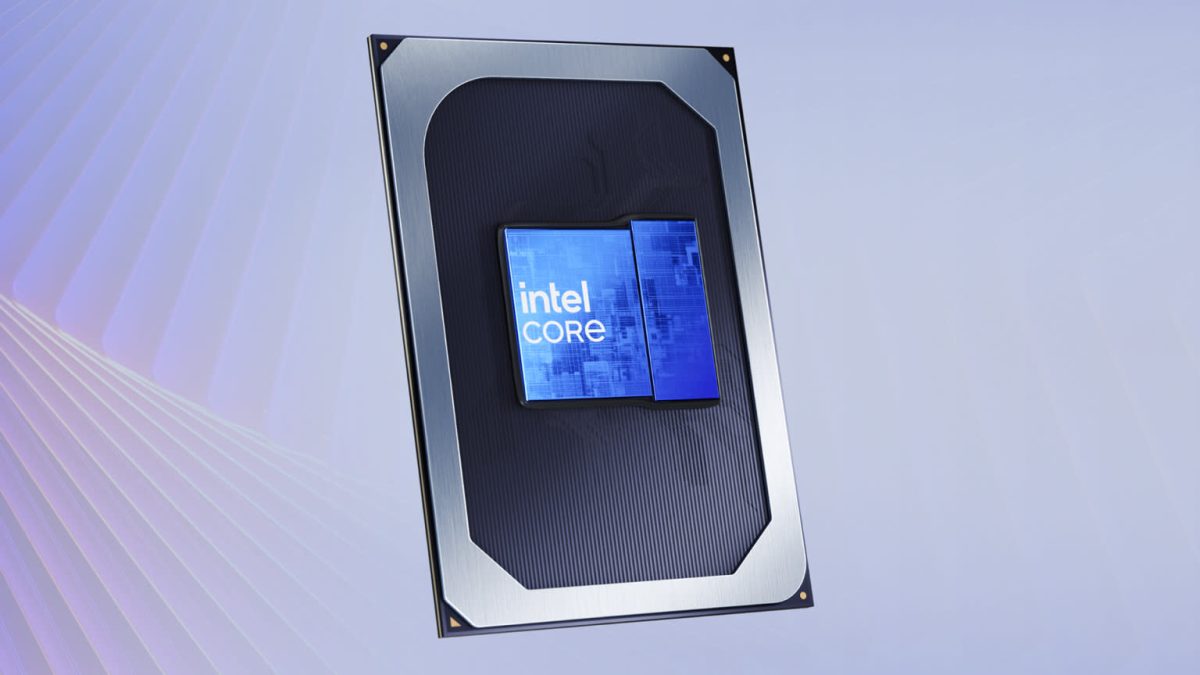

Intel Core Series 3 processors are here. The chipmaker officially launched the new lineup on April 16, 2026, targeting mainstream and value-oriented laptops. These chips, known as Wildcat Lake, use Intel’s 18A manufacturing process. This is the same advanced technology found in the higher-end Core Ultra Series 3.
The Core Series 3 processors bring major upgrades over older models. Intel says the top chip delivers up to 47% better single-thread performance and 41% better multi-thread performance than a five-year-old PC. They also report up to 2.8 times better GPU AI performance than the older system.
What the Core Series 3 processors bring to everyday laptops
Intel designed the Core Series 3 processors for people who want reliable performance without the latest high-end features. There are six chips in this series, ranging from the six-core Intel Core i7 360 for top performance to the five-core Intel Core i3 304 for basic needs. All models use a hybrid architecture with up to two Cougar Cove performance cores and four Darkmont efficiency cores.
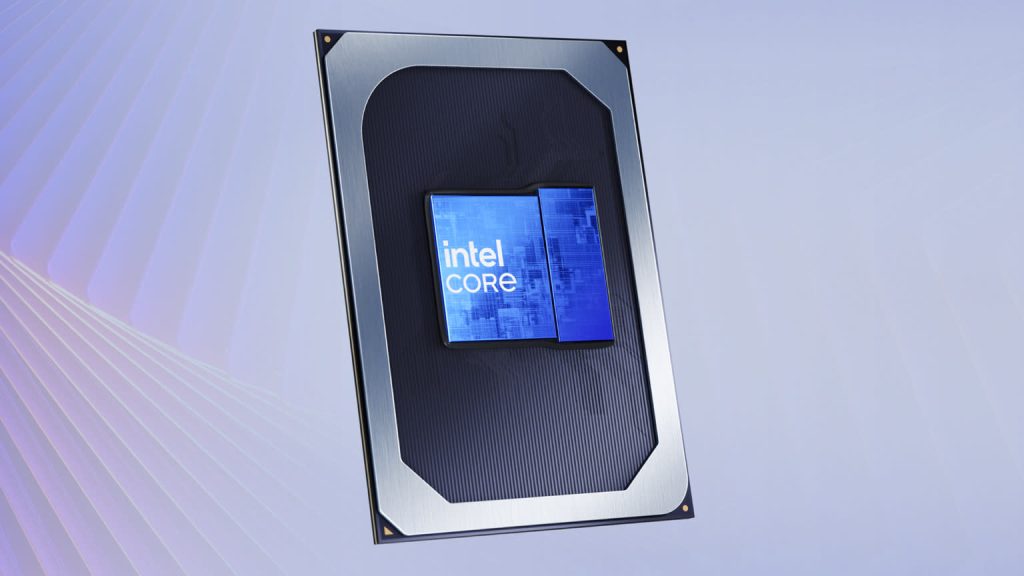
Key specifications across the Core Series 3 processors lineup:
- Core 7 360: 6 cores, 4.8 GHz max turbo, 17 TOPS NPU
- Core 5 330: 6 cores, 4.6 GHz max turbo
- Core 3 304: 5 cores, 4.3 GHz max turbo
- Base power: 15 W, with turbo up to 35 W
- Memory support: LPDDR5x-7467 or DDR5-6400
Battery life is a major focus. Intel says the Core Series 3 processors can deliver up to 18.5 hours of Netflix streaming, 12.5 hours of office productivity, and 9.6 hours of Zoom calls with AI effects enabled. Compared to the previous-generation Core 7 150U, the new chips use up to 64% less processor power during video streaming.
Connectivity gets a modern boost as well. The Core Series 3 processors support Wi-Fi 7 and Bluetooth 6.0, and feature up to 2 Thunderbolt 4 ports. This brings budget laptops up to speed with current standards. More than 70 laptop designs are planned for 2026, according to Intel. Confirmed models include:
- Acer: Aspire Go 14, 15, and 16
- ASUS: Vivobook 14/15/17, ExpertBook B5 Flip, B3 G2, and P3 G2
- HP: Omnibook 5 14
- MSI: Modern 14S and 16S
- Lenovo, Dell, and Samsung will announce their own devices in the coming months.
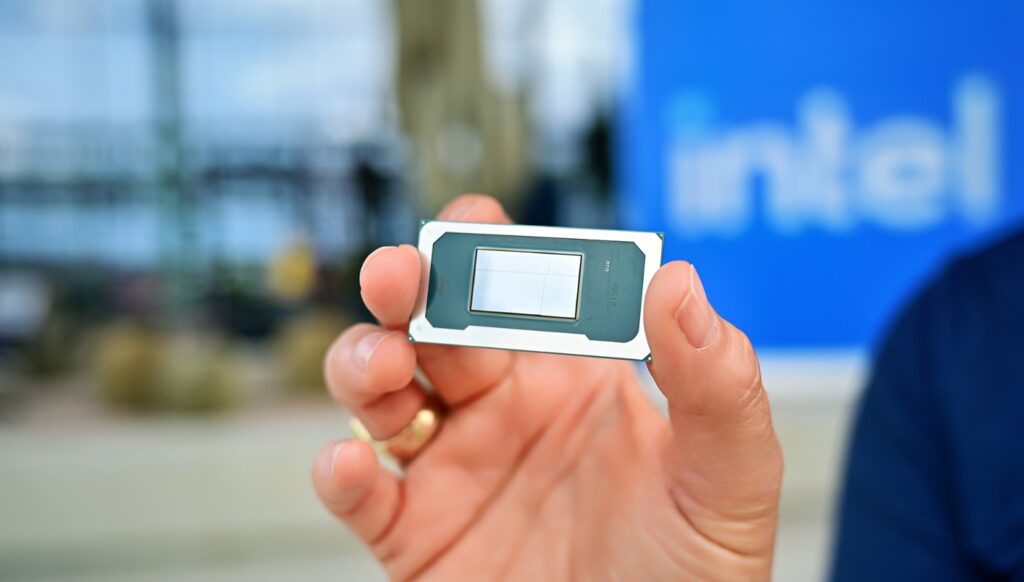
Intel also plans to use the Core Series 3 processors in edge computing devices such as kiosks, point-of-sale systems, and robotics. An edge-specific variant, the Core 5 305, comes without an NPU for those workloads. An edge-specific variant, the Core 5 305, comes without an NPU for those workloads.
According to How-To Geek, rising memory costs have pushed many laptops out of budget range, making affordable options like those powered by Core Series 3 processors more relevant than ever. While these chips won’t match the performance of Core Ultra Series 3 or Apple’s M5, they bring modern architecture to lower price points.
In conclusion, the Core Series 3 processors offer a meaningful upgrade for budget-conscious buyers, combining AI capabilities, improved efficiency, and modern connectivity in a package designed for everyday computing.