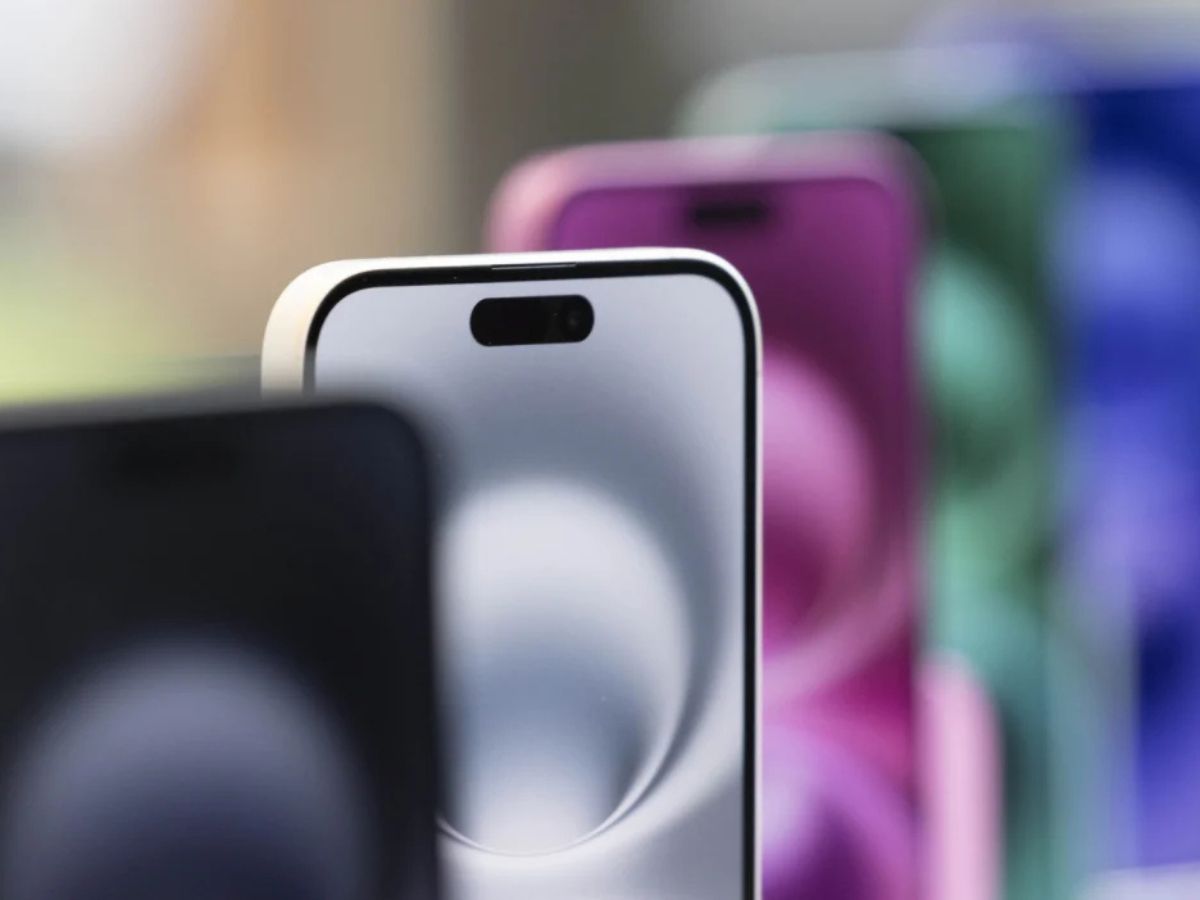


Apple is getting ready to release the world’s first foldable iPhone in September 2026. Apple aims to enter the foldable smartphone market, currently dominated by Samsung, Google, and Motorola. The announcement comes after years of innovation and design breakthroughs. This move could change the way we think about mobile devices by making them more portable while also offering larger screens.
How the foldable iPhone Works: What to expect
The foldable iPhone is thought to have a 7.8-inch screen that folds inward, like opening a book, and a 5.5-inch screen on the outside that lets you quickly access calls, notifications, and apps without opening the phone all the way. Apple wants to make the frame out of titanium, the hinge out of Liquid Metal to last, and the screen wrinkle-free so it stands out from other foldables. When closed, the device is small and easy to carry. But when it’s opened, it becomes almost as big as a tablet.

Additional features expected include:
- Two high-quality rear cameras for sharp photography.
- Touch ID authentication for added security.
- Enhanced multitasking, allowing users to run multiple apps side by side.
- Improved entertainment experience with a wide, flexible screen for videos, games, and reading
The first foldable iPhone from Apple is likely to cost around $1,999, making it a high-end product. The company’s unique design is likely to focus on minimizing the hinge crease, which is a common problem with competing foldable phones like the Samsung Galaxy Z Fold series. This flexibility will make using the phone for everyday tasks and watching videos more enjoyable. We expect the foldable iPhone’s design to be sleek, long-lasting, and easy to understand and use. These are all things that Apple products have always done well.
Foldable iPhone vs. Competitors
Several generations of foldable phones have been released by competitors such as Samsung, Google, Motorola, and OnePlus:
Apple’s focus on reducing the display crease and enabling seamless multitasking will position the foldable iPhone as a strong alternative to Samsung’s and Google’s offerings, which are well-liked but still have visible crease lines and are similarly priced. The foldable iPhone will be a strong alternative to Samsung’s and Google’s phones, which are popular but still have visible crease lines and are similarly priced, because Apple worked hard to make the display crease less noticeable and multitasking smoother.

Why now? Timing for Apple’s Market
Other phone companies have been making foldable phones for years, but Apple has been waiting for the technology to be fully developed before making one. Their success stems from Apple’s very high standards for quality and usability. This planned release date should help Apple avoid the durability issues and early software glitches that some competing models experienced.
Experts in the field say sales of foldable phones will keep rising, and Apple’s entry into the market is likely to make people want them even more. The foldable iPhone could sell well over 40 million units by 2028. Apple has significantly elevated the capabilities of a foldable phone.
The User Experience: Benefits of Foldable Phones
Foldable smartphones bring several benefits:
- Multitasking: View multiple apps simultaneously on the larger display.
- Portability: Enjoy a big screen in a pocket-friendly device.
- Entertainment: Experience movies, games, and e-books with a tablet-like experience.
- Creativity and Productivity: Use multitasking and split-screen modes for work and fun.
In conclusion, Apple’s foldable phone will set the standard for quality, durability, and usability. If you like Apple’s designs and want a smartphone-tablet hybrid, the foldable iPhone may be worth the wait. Top features and a well-designed user interface should set it apart in the foldable smartphone market.