

Digg is going offline for a “hard reset” because too many AI bots and spam scripts made it almost impossible for people to use. The site’s owners made this choice because they realized that simply moderating the flood of automated content was no longer enough to maintain a good user experience.
The Digg team decided that the only way to get the site back to its original state was to shut it down for a short time. They want to get rid of bad AI junk on the platform by hitting the pause button. They want to build a space where real news and conversations led by people can once again be the main focus.
Why Digg is hitting the Pause Button
The struggle for the iconic news platform has reached a breaking point due to the rise of generative AI. According to Engadget, the site has been placed into “maintenance mode” to address the massive amount of garbage content being posted by bots.
These automated accounts have been drowning out the human-written stories that once made the platform a powerhouse of the internet. This isn’t the first time the internet has seen a legacy platform struggle with changing trends. While Digg was once the primary competitor to Reddit, it has gone through several ownership changes and redesigns over the years.
According to reports from The Verge, the latest challenge posed by AI bots is a systemic issue affecting many older social platforms. The huge volume of automated posts overwhelmed the current infrastructure, prompting the current owners, BuySellAds, to temporarily pull the plug to find a long-term solution.
The Future of a Human-Powered Digg
In a world where AI rules, rebuilding a platform like Digg is a huge job. The point of this “hard reset” is to get back to the basics: a site where people, not scripts or algorithms, decide what is worth reading. This “evergreen” way of picking news is more important than ever.
AI can write text in seconds, but it doesn’t have the same ability as a person to pick up on complexity, humor, or real cultural significance. Human compilation ensures that the news we read has been vetted by real people and experiences, which a bot can’t do.
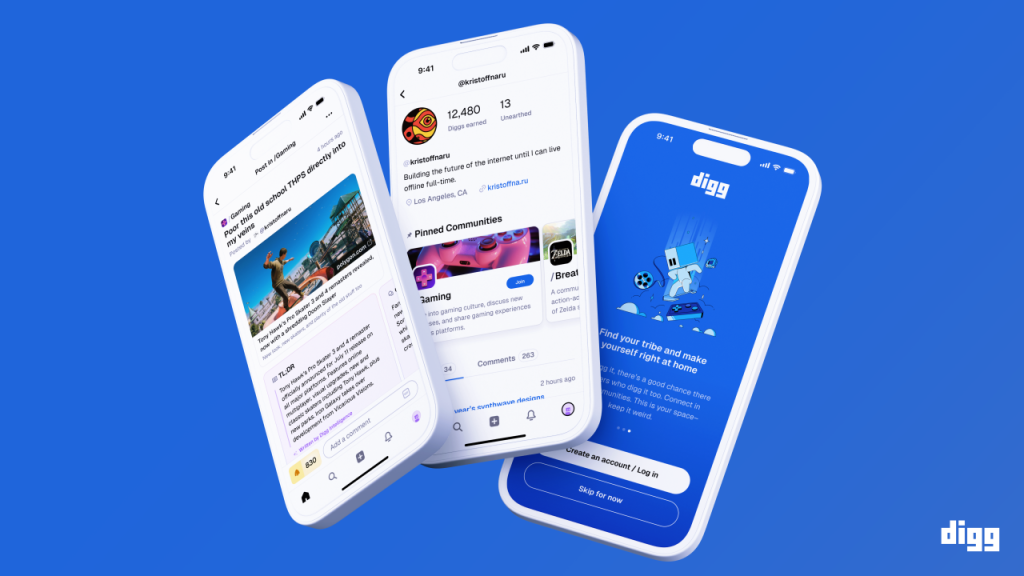
When Digg comes back, users can expect a much cleaner and more planned experience. To keep the platform from becoming another spam dump, the focus will probably shift from quantity to quality.
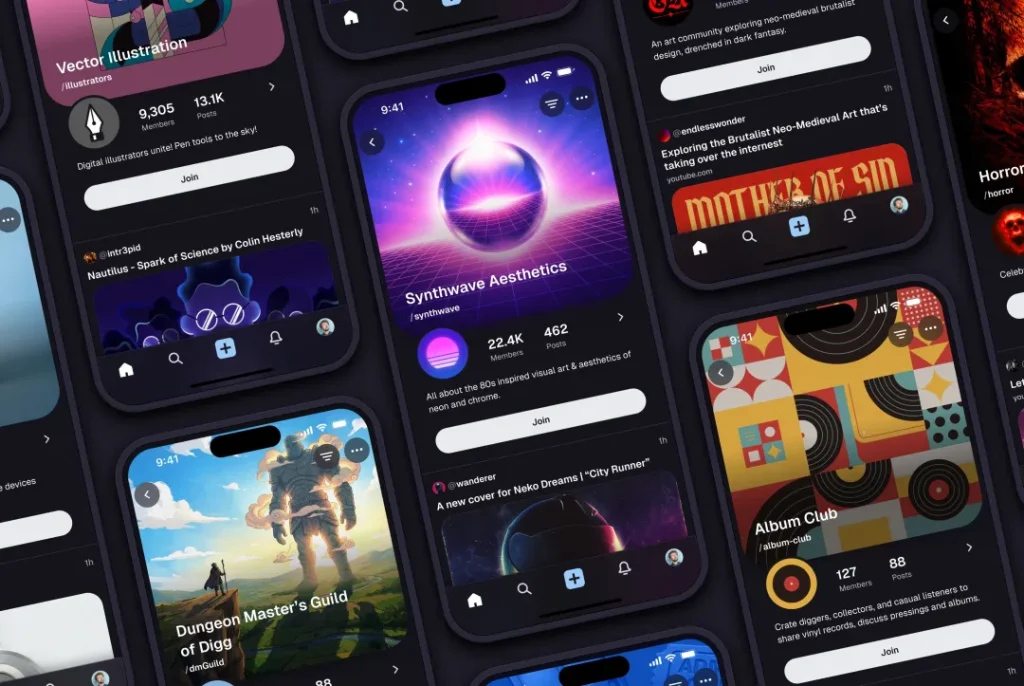
Some of the most important benefits of the upcoming reset are:
- Removal of AI Sludge: Getting rid of all the content made by bots to make the site trustworthy again.
- Restored Human Interaction: A renewed focus on comments and votes from real people instead of scripts.
- Better Security: Putting in place better “anti-bot” measures to stop more spam from coming in.
- Faster Performance: A slimmer, better Digg that doesn’t have to deal with millions of fake entries.
The history of Digg has been a difficult journey, but this latest move shows a commitment to the platform’s core legacy. The team is essentially cleaning house to make sure that when you visit Digg, you are actually interacting with a community of humans rather than a sea of AI bots.
FAQs
Q: What happened to Digg?
AI-generated bots were posting a lot of spam on the site, overwhelming the platform. The owners decided to close down for a “hard reset” to clean up the database and add new security measures.
Q: Is Digg going to stay closed for good?
No, the current shutdown is called a “hard reset” and is a time for maintenance. The plan is to bring the platform back to life, focusing on the content people have chosen, once the bot problem is fixed.
Q: Will my old Digg account still work?
We still don’t know all the details about user accounts. The main goal of the reset, though, is to remove the spam and bot-driven parts of the site so real users have a better experience.
In the end, it’s sad to see a piece of internet history go dark, but resetting Digg is a necessary step in the fight against spam generated by AI. Digg could go back to its community-driven roots if it puts real human voices first.