

Motorola GrapheneOS support has been officially confirmed. This collaboration is a historic partnership that was announced at MWC 2026. This partnership will put the privacy-focused operating system on a future smartphone, making it available for the first time outside of Google’s Pixel line.
Motorola GrapheneOS support announced at MWC 2026
Motorola GrapheneOS support is finally here after months of rumors and speculation. Motorola said today at the Mobile World Congress (MWC) 2026 in Barcelona that it has formed a “long-term partnership” with the GrapheneOS Foundation. The goal of this partnership is to bring a more secure, hardened version of Android to new Motorola hardware.

Motorola’s press release says that this move marks the start of a new era for mobile security. Motorola wants to work directly with the people who made GrapheneOS to make sure that all of its future devices will work perfectly with the operating system’s strict standards.
GrapheneOS has only been available as an aftermarket install for Google Pixel phones, but this partnership marks a big change in the market, giving users a more mainstream option for privacy.
The announcement confirms that Motorola GrapheneOS support will eventually lead to a device shipping with the OS pre-installed. Additionally, specific security features derived from GrapheneOS are expected to trickle down to other devices in Motorola’s portfolio, enhancing the overall security ecosystem for the brand.
Hardware requirements and the Motorola Signature
There is a lot of excitement about Motorola GrapheneOS support, but the company made it clear that the first GrapheneOS-powered device is still a future release. The “Motorola Signature,” which is currently the most popular model in Motorola’s lineup, and other current models don’t have the hardware needed to run the operating system.
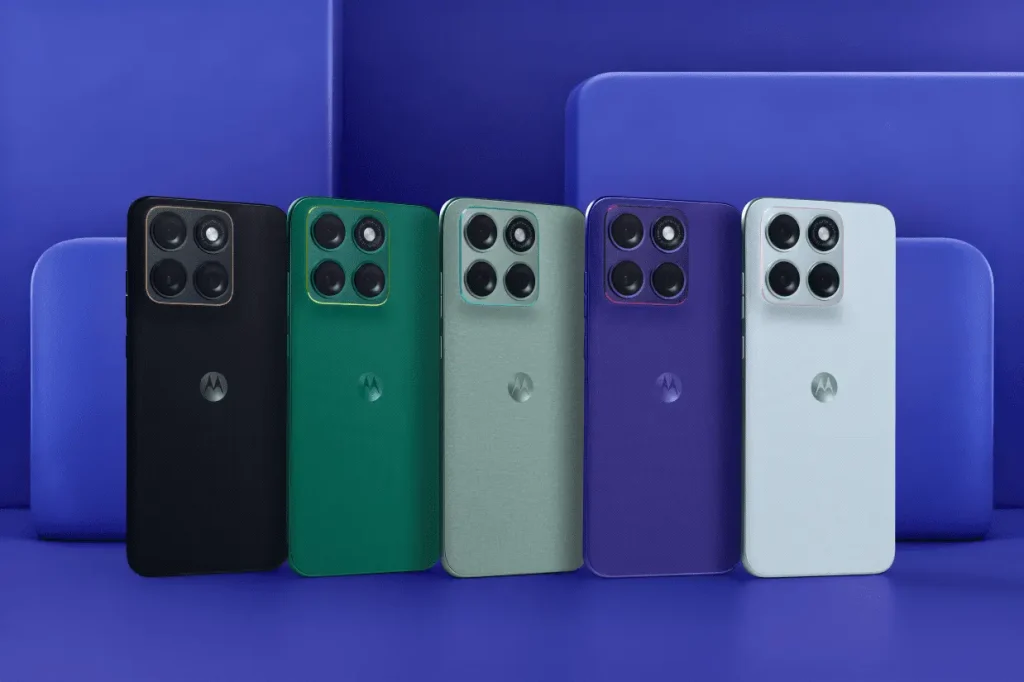
In the past, GrapheneOS developers have said that Motorola phones don’t have the specific hardware security features, like secure elements that are similar to the Titan M2 in Pixels, that are needed for full support. The partnership means that Motorola is now making custom hardware just for this purpose.
Some important parts of this hardware evolution are likely to be:
- Enhanced Secure Elements: Future chips must have the advanced verified boot and attestation features that GrapheneOS needs.
- Driver Support: For Motorola GrapheneOS support to work properly, it needs hardware drivers that are open source.
- Memory Management: GrapheneOS uses hardened memory allocators that need certain hardware features to work without slowing down.
Motorola GrapheneOS support is still just a promise for the near future, not an immediate software update for current users.
Why Motorola GrapheneOS support is important for privacy
The addition of Motorola GrapheneOS support is a big step forward for both privacy advocates and tech fans. For years, people who wanted a “de-Googled” experience could only get it from one hardware maker. This partnership makes the market more diverse and shows that there is a need for mobile computing that focuses on privacy.

Benefits of this partnership include:
- Out-of-the-Box Privacy: Users won’t have to flash operating systems by hand anymore, making it easier for people to use their phones safely.
- Hardware Diversity: With Motorola GrapheneOS support, people will finally be able to choose from more than just the Pixel look and feel.
- Enterprise-Grade Security: The focus of the collaboration is on “advanced mobile security,” which makes these future devices perfect for journalists, activists, and businesses that need secure communications.
- Mainstream Adoption: GrapheneOS gets credibility and resources to accelerate development from a major OEM like Motorola.
The tech world will be watching the Motorola GrapheneOS support project closely over the coming months to see how these features are added and which phone will be the first to use the operating system.
Conclusion: Motorola GrapheneOS working with smartphones is a big deal in the history of smartphones. It means that in the future, high-end hardware and privacy will finally be able to work together.