
IBM has released two new processors that are a big step toward making quantum chips useful in the real world. The company says these chips are the best it has ever made. The development of Nighthawk and Loon marks a turning point. The bigger goal is to achieve quantum advantage, when a quantum machine performs a task better than any classical computer. IBM expects to reach this goal by the end of 2026.
The direct path to achieving a quantum chip advantage
The new processors are designed to work on different parts of IBM’s plan. The Nighthawk chip is designed to help people achieve quantum advantage in the short term and is expected to be available to users by the end of 2025.

It has 120 qubits that are linked by 218 next-generation tunable couplers. This improved design lets it run circuits that are 30% more complicated than the last one while keeping the number of errors low. This feature is crucial for solving harder problems and is a key part of the plan to show quantum advantage.
The experimental Loon processor, on the other hand, looks to the future. It shows all the hardware parts needed for quantum advantage computing that can handle errors. Loon checks out a new quantum error-correction design that works well. It uses techniques such as multiple routing layers to connect qubits on the same chip that are far apart. This work is a building block for making big, fault-tolerant systems by 2029.
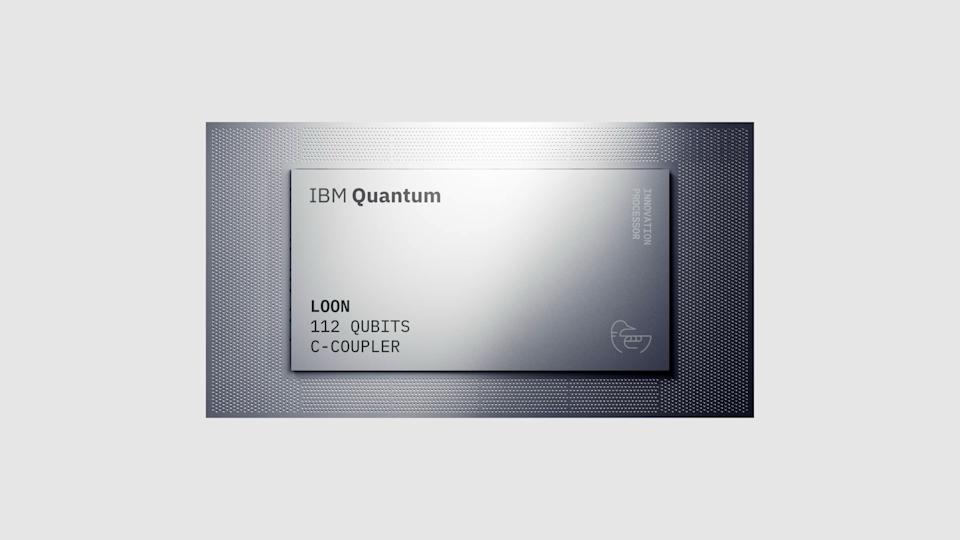
A significant change in manufacturing processes drives these improvements. IBM now makes all of its quantum chips, like Nighthawk and Loon, at the Albany NanoTech Complex in New York. This facility uses the most advanced technology for 300 mm semiconductor wafers.
This change has already doubled the speed at which IBM develops chips and made them ten times more physically complex. This ability to build things is crucial to scaling the technology and making quantum advantage a reality for everyone. New software works well with these hardware improvements. IBM is also adding new features to its Qiskit software stack.
These changes improve dynamic circuits by 24%. They also made it over 100 times cheaper to get accurate results. IBM is confident in its timeline thanks to this strong mix of new chips, better manufacturing, and smarter software. The final stages of the race for a useful quantum advantage are now here.