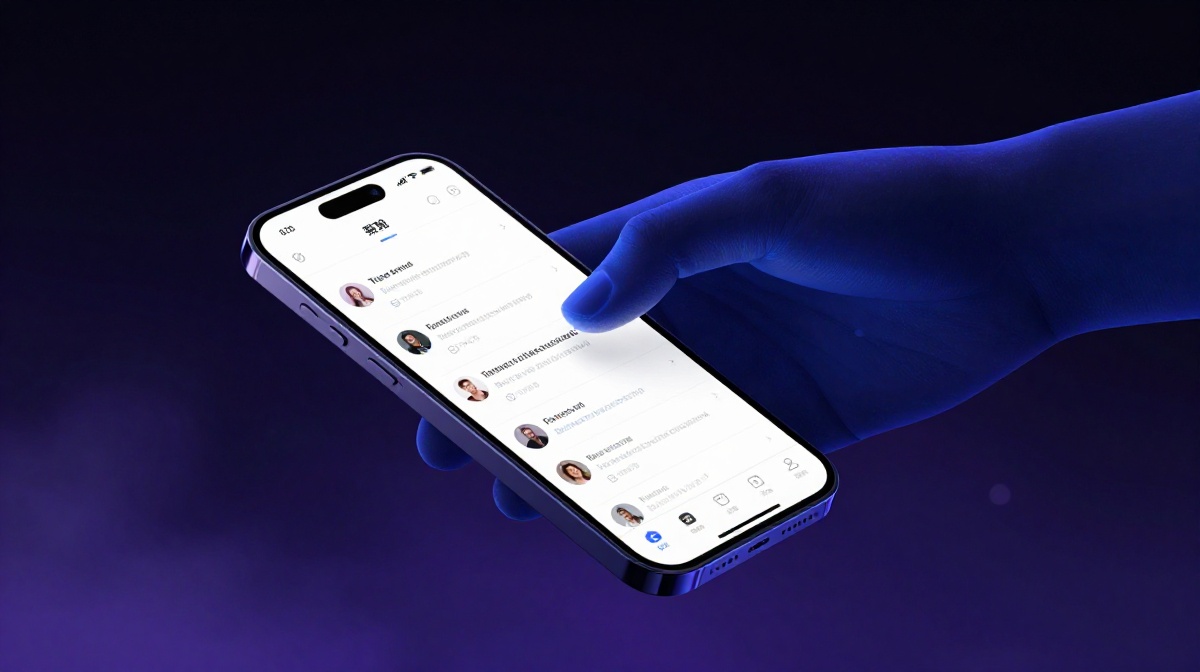


Meta has announced it will officially shut down its standalone desktop Messenger app for Windows and Mac, marking the end of an era for the desktop messenger. Users won’t be able to log in to the apps after December 15, 2025, when the Shutdown occurs. The business is now letting users know about the upcoming change so they have time to get used to it. Official help pages state that users of the desktop messenger app will receive a notification in the app when the deprecation process begins.
After that, they will have 60 days to keep using the app before it is completely removed and cannot be used anymore. Meta wants users to delete the apps when they stop working. After December 15, trying to open the desktop apps will automatically take users to the Facebook website to read their messages. Those who use Messenger without a Facebook account will be directed to Messenger.com instead.
How to save your desktop messenger app chat history before the Shutdown
Meta’s main piece of advice is for users to back up their chat history before the switch. Users should enable secure storage and set a PIN to ensure end-to-end encrypted chats are preserved and can be accessed on the web platform. You can finish this process in the current desktop messenger app by doing the following:

- Click the settings (gear) icon above your profile picture.
- Select Privacy & Safety > End-to-end encrypted chats.
- Click on Message storage.
- Toggle on “Turn on secure storage,” then follow the prompts to set a PIN.
Once enabled, your chat history will remain available across all platforms, including the web version, to which you will be redirected after the Shutdown. Once you turn on chat history, it will be available on all platforms, including the web version that you will be sent to after the Shutdown.
This choice wasn’t a complete shock because Meta had already switched the native desktop app to a Progressive Web App (PWA) in September 2024. The company has taken the Messenger desktop app off the Mac App Store, so people can’t download it anymore. This merger is part of a larger trend toward web-based experiences for desktop users, which is why they have to use a browser to access the desktop Messenger app.
This change won’t affect the mobile versions of Messenger for iOS and Android. Still, it will probably disappoint many dedicated users who liked the convenience and performance of a desktop app.