

When LinkedIn, the world’s largest professional networking platform, introduced its AI writing assistant, expectations skyrocketed. After all, LinkedIn has been at the forefront of using artificial intelligence to improve everything from job searches to networking. However, CEO Ryan Roslansky recently admitted that the AI writing assistant has not been as popular as expected—a surprising development given the platform’s tech-savvy user base.
Why didn’t LinkedIn’s AI writing assistant take off?
Roslansky’s explanation is refreshingly honest. He points out that while AI is rapidly transforming how professionals work and communicate, LinkedIn is not just another social platform—it’s “your resume online.” Users are acutely aware that what they post can directly impact their career prospects. The stakes are high, and so is the pressure to appear authentic and competent.
“If you’re getting called out on X or TikTok, that’s one thing. But when you’re getting called out on LinkedIn, it really impacts your ability to create economic opportunity for yourself,” Roslansky told Bloomberg.
This fear of backlash and the heightened scrutiny on LinkedIn posts create a unique barrier. Unlike on casual platforms, where AI-generated content might fly under the radar, LinkedIn users worry that anything too obviously AI-generated could damage their professional reputation. Here’s where it gets interesting. While the AI writing assistant struggles for traction, demand for AI-related skills on LinkedIn is exploding.
Job postings requiring AI expertise have increased sixfold in the past year, and users adding AI skills to their profiles have jumped twentyfold. Clearly, professionals want to showcase their AI literacy—they don’t want their personal brand to be built by a bot.

Authenticity vs. Efficiency: The Professional Dilemma
| Trend | Growth (Past Year) | User Sentiment |
|---|---|---|
| Jobs requiring AI skills | 6x increase | Highly positive |
| Users adding AI skills | 20x increase | Highly positive |
| AI writing assistant usage | Below expectations | Cautious, skeptical |
The lukewarm reception of LinkedIn’s AI writing assistant reveals a more fundamental tension in the professional world: the balance between authenticity and efficiency. On one hand, AI can help polish language, clarify intent, and even boost confidence—especially for non-native speakers or those who struggle with self-promotion.
On the other hand, there is growing concern that overreliance on AI will erode trust and make professional interactions appear impersonal.
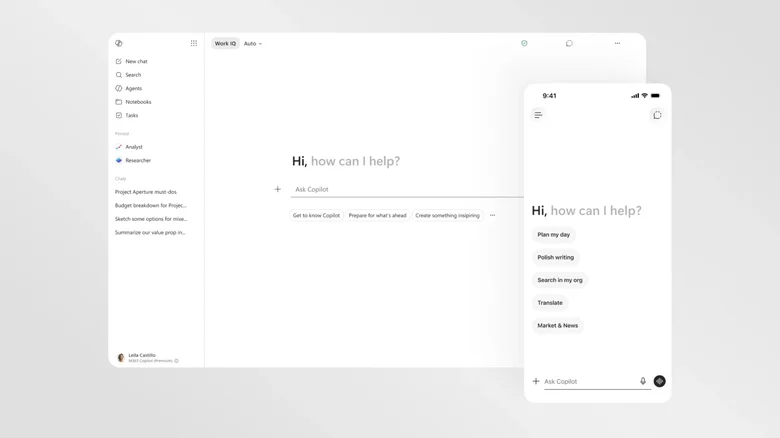
Interestingly, Roslansky uses artificial intelligence—specifically, Microsoft’s Copilot—to refine emails to his boss, Satya Nadella, ensuring he “sounds Satya-smart.” This suggests that while public-facing AI-generated content is met with skepticism, AI tools are quietly becoming indispensable behind the scenes, particularly for high-stakes communication.
What’s next for LinkedIn and AI?
LinkedIn isn’t stepping back from AI. In fact, the platform is doubling down, introducing new AI-powered features for recruitment, messaging, and job matching. According to industry observers, the key is to position AI as a complement to human expertise rather than a replacement for it. Users want tools that help them shine, not ones that do the talking for them.

From personal experience, I’ve discovered that, while AI can help break writer’s block or improve clarity, posts that feel genuine are the most popular on LinkedIn. A well-crafted, AI-polished post may attract attention, but it is the authentic voice—quirks and typos included—that fosters genuine connections.
In conclusion, LinkedIn’s experiment with AI writing assistants teaches a valuable lesson: technology adoption is more than just capability; it’s about context and culture. Professionals want to be seen as authentic, credible, and original. As AI continues to evolve, the platforms that succeed will be those that empower users without overshadowing their unique voices.