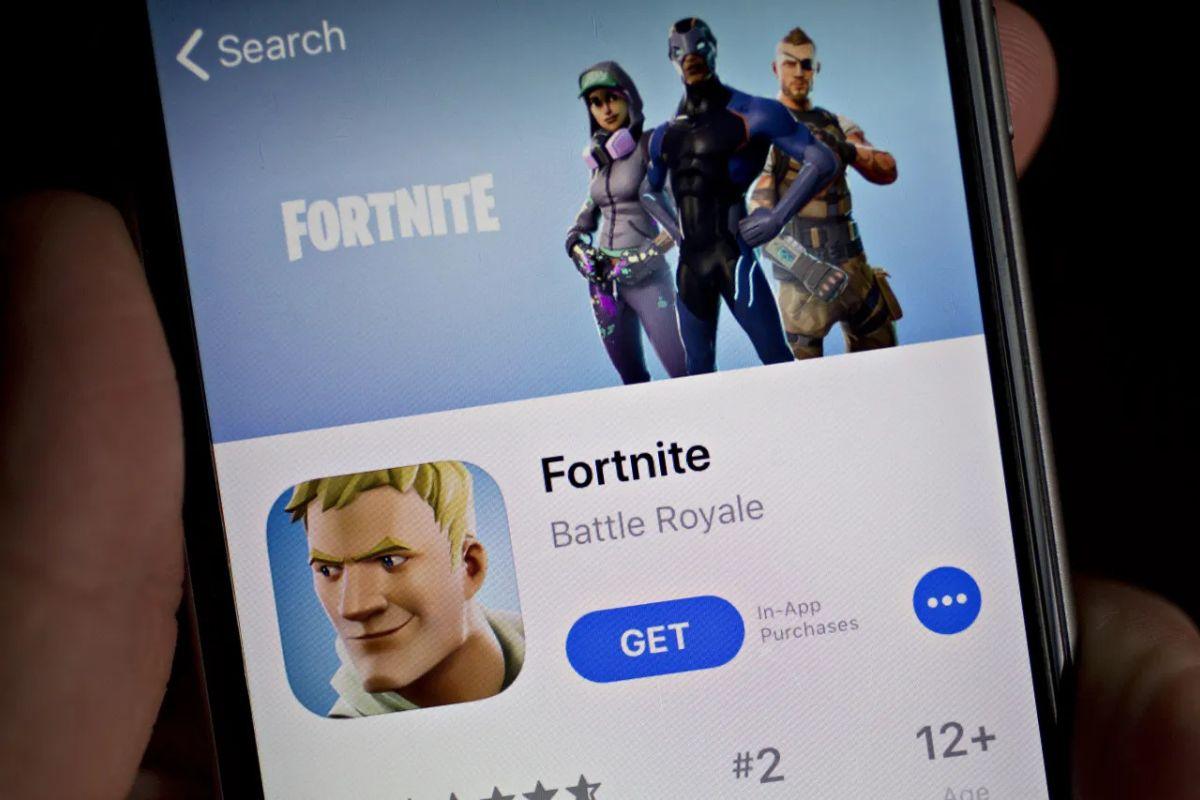

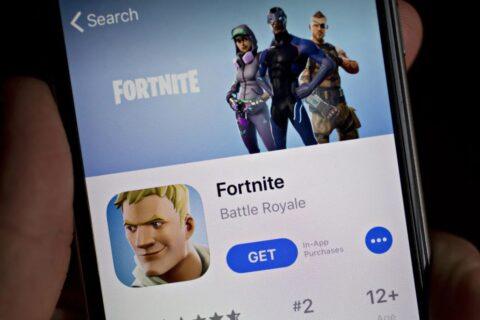
Few tech battles have captured the world’s attention like the ongoing standoff between Epic Games and Apple. What started as a dispute over App Store fees has evolved into a high-stakes legal showdown, with Fortnite—the global gaming phenomenon—caught in the crossfire.
Epic Games is now escalating its battle by requesting a federal judge to compel Apple to allow Fortnite’s return to the App Store. But what does this mean for gamers, developers, and the future of digital marketplaces?
The roots of this conflict stretch back to 2020, when Epic Games deliberately broke Apple’s App Store rules by introducing a direct payment method in Fortnite. This bold move bypassed Apple’s 30% commission on in-app purchases, triggering an immediate ban and a legal saga that’s lasted years.
Epic’s argument was simple: Apple’s policies stifle competition and innovation, locking developers—and users—into a walled garden. Apple, meanwhile, defended its ecosystem as a secure, curated environment that benefits everyone.
The courts have largely sided with Epic on anti-competitive practices, culminating in a 2021 injunction requiring Apple to allow alternative payment options and to allow direct communication with users.
The new change: Epic Games asks the judge to make Apple do what it wants
Despite a recent court victory that found Apple in “willful violation” of the injunction, Fortnite remains conspicuously absent from the App Store. Epic Games claims Apple is dragging its feet, refusing to approve a compliant version of Fortnite—even after multiple submissions and a major legal win.
In a bold move, Epic has now asked Judge Yvonne Gonzalez Rogers to order Apple to “accept any compliant version of Fortnite onto the U.S. storefront of the App Store.” Apple’s response? The tech giant insists it’s simply waiting for a higher court’s ruling on its request for a partial stay, arguing that approving Fortnite now could complicate ongoing appeals.
Meanwhile, Epic accuses Apple of “punishing” it for challenging the status quo and sending a chilling message to other developers who might consider doing the same.
What’s at stake? A table of key issues
| Issue | Apple’s Position | Apple’s Position | Broader Impact |
|---|---|---|---|
| App Store Fees | Too high, stifles competition | Necessary for curation, security, and revenue | Could reshape digital payment models |
| Alternative Payment Methods | Should be allowed | Threatens user safety and platform integrity | Opens doors for innovation |
| App Approval Delays | Used as a punitive tool | Standard review process, pending legal appeals | Sets precedent for developer rights |
| Market Competition | Apple acts as a monopoly | Healthy competition exists | Potential antitrust reforms |
As someone who’s followed the Epic Games vs. Apple saga from the beginning—and as a developer who’s navigated the App Store’s labyrinthine rules—I see this battle as more than just a corporate spat. This battle serves as a crucial indicator for the future of digital marketplaces. Epic’s willingness to challenge Apple head-on is rare in an industry where most developers feel powerless against platform giants.
The recent court rulings are a watershed moment. Judge Gonzalez Rogers’ scathing criticism of Apple’s internal decision-making—highlighting profit-driven motives and even accusations of false testimony—underscores the seriousness of the issue. The outcome could determine whether developers innovate or stagnate. For users, it’s about choice: the freedom to pick how and where you pay and which apps you can access.
What Happens Next?
The legal battle is far from over. Apple is appealing the latest ruling, and Fortnite’s return to the App Store remains in limbo. But the pressure is mounting. Industry observers believe that, regardless of the outcome, this case will set a precedent for how tech giants interact with developers—and how much control they can exert over digital ecosystems.
For Epic Games, the fight is personal. CEO Tim Sweeney has made it clear that this isn’t just about Fortnite—it’s about opening the app economy to everyone. And for Apple, the stakes are equally high: a loss could erode the foundation of its lucrative App Store business.
In conclusion, the Epic Games vs. Apple saga represents a pivotal moment in the digital age. Whether you’re a gamer waiting for Fortnite’s return, a developer dreaming of a fairer marketplace, or simply a consumer who values choice, the outcome of this battle will shape the future of how we interact with technology.