
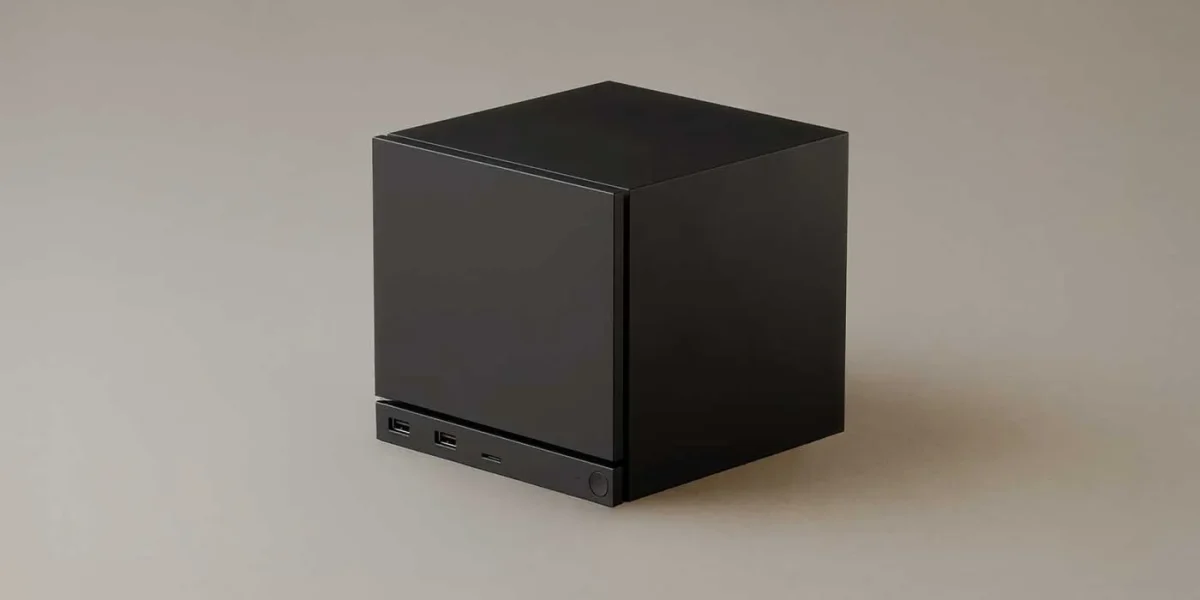

The Valve Steam Machine delay has officially pushed back the release date of the company’s next-gen gaming console from late 2026 to early 2027 (via The Verge). This delay is mostly due to serious supply chain issues affecting high-end internal parts. Also, 9to5Google says Valve is prioritizing hardware stability over a quick release.
Why the Valve Steam Machine delay is happening
The primary cause for the Valve Steam Machine delay involves a global shortage of high-speed RAM and PCIe 5.0 SSD modules. Manufacturing these parts requires specific semiconductors that are currently in short supply. This Valve Steam Machine delay ensures that Valve does not face the same “paper launch” issues that plagued consoles in the early 2020s.

IGN says that Valve doesn’t want to run out of stock. By agreeing to the Valve Steam Machine delay, the company can get enough stock to meet the huge demand from Steam users. Manufacturing experts say Valve should wait for part prices to stabilize so the final product’s cost stays competitive.
The delay with this Valve Steam Machine will change how it competes with other hardware, like the PS5 Pro. The high-end console from Sony is already on the market, giving us a taste of what gaming will be like in 2026. Valve needs to ensure its hardware performs much better than these mid-generation refreshes, now that the Valve Steam Machine has been delayed.
Microsoft’s “Project Helix,” rumored to launch in late 2026, is now directly competing with the device due to its delay. Because of the delay with the Valve Steam Machine, Valve will probably launch with better software and a bigger library of verified games. This planned wait could turn a frustrating setback into a market advantage by 2027.
Important things to know about the Valve Steam Machine delay
Understanding the Valve Steam Machine delay helps gamers decide whether to upgrade their current PC or wait for the new console. While the wait is longer, the benefits of a polished launch usually outweigh the risks of a buggy early release.

- Higher Performance: The extra time lets you better manage heat and fine-tune the GPU clock speeds.
- Stable Inventory: The Valve Steam Machine delay reduces the chance that scalpers will buy up all available units.
- Software Optimization: Developers have more time to make sure SteamOS works perfectly on the new hardware architecture.
The delay of the Valve Steam Machine shows that even the biggest tech companies are affected by global manufacturing trends. Valve is betting on quality over speed by pushing the window back to 2027.
This is what Valve wrote:
Here’s the lineup of hardware we announced in 2025. We hope to ship in 2026, but as we shared recently, memory and storage shortages have created challenges for us. We’ll share updates publicly when we finalize our plans!

Q: When will the new Valve Steam Machine be available?
The Valve Steam Machine was supposed to come out in late 2026, but a delay has pushed it to early 2027.
Q: Why did it take so long for the Valve Steam Machine to come out?
There were delays with the Valve Steam Machine because there weren’t enough high-speed RAM and SSD parts, and the software needed more work.
Q: Will the Valve Steam Machine be more powerful than the PS5 Pro?
Valve has more time to add new chipsets that might be better than the PS5 Pro’s current hardware specs because the Valve Steam Machine is delayed.
In conclusion, the Valve Steam Machine’s delay is a good idea, as it helps ensure the console works well. Gamers will have to wait another year, but moving the release date to 2027 gives Valve time to fix parts shortages and improve the game. The Steam ecosystem launch stability and power will improve due to the Valve Steam Machine delay.