
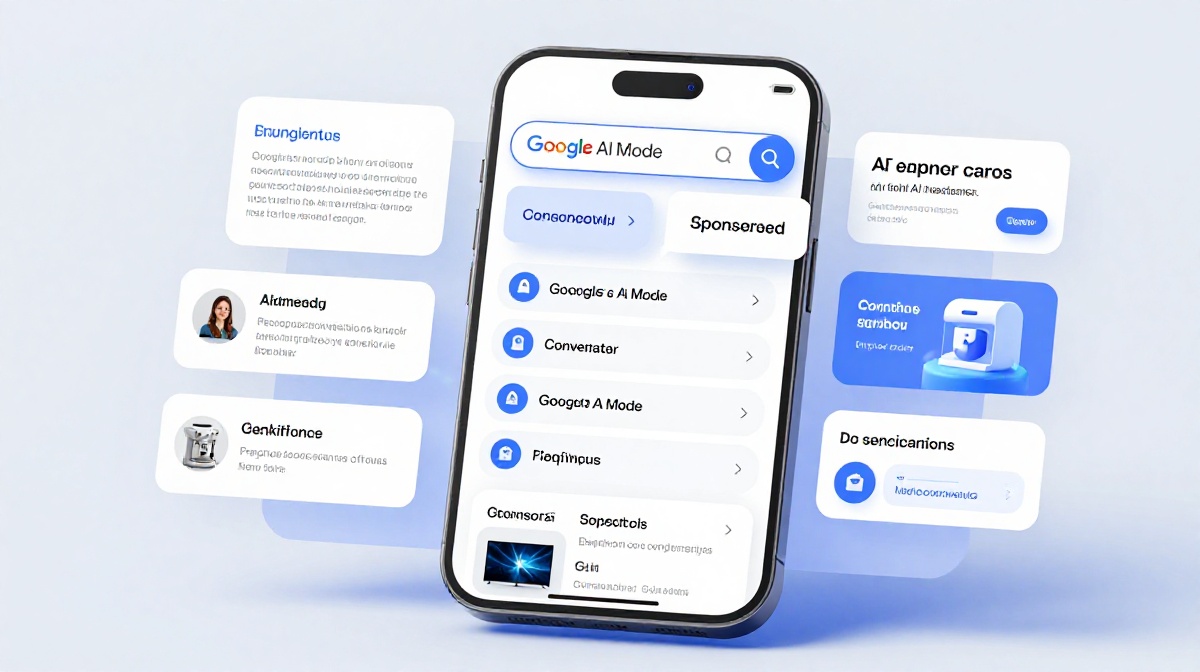

Google is updating online advertising by launching new AI-powered ad formats that seamlessly integrate with its conversational search features. The official Google Blog says these updates use the Gemini AI model to give users more helpful, context-aware information right in their search results.
These new tools are built to adapt as people’s search habits change. As more people use conversational searches to look up complex topics, Google is moving away from its usual keyword-focused ads. With AI helping determine what people really want when they search, these new formats offer personalized product advice and clear explanations. This helps shoppers make faster decisions and feel more confident about their purchases.
Understanding the new Google AI Ad formats
At the recent Google Marketing Live 2026 event, the company shared how its new features will work for both users and businesses. The main aim is to make advertising feel like a natural part of exploring, not a disruption. Search Engine Journal reports that Google is introducing several important features to improve the search experience:
- Conversational Discovery Ads: These ads respond to specific user questions. Instead of matching simple keywords, Gemini generates tailored creatives that highlight product features relevant to the context of a longer, conversational prompt.
- Highlighted Answers: When a user receives a list of AI-generated recommendations, such as travel app or appliance suggestions, relevant ads can now appear directly within that list.
- AI-Powered Shopping Ads: These ads include custom summaries that explain why a specific product is a suitable match for a shopper’s unique needs, making the selection process more intuitive.
- Business Agent for Leads: This feature allows potential customers to chat directly with an AI agent within an advertisement, trained on information from the advertiser’s website.
To ensure transparency, all these formats will remain clearly labeled as “Sponsored.” Furthermore, the ads will include independent AI explainers that synthesize product details, helping shoppers understand the “why” behind a recommendation.
How these changes benefit users and advertisers?
The shift toward AI-mediated commerce is becoming increasingly necessary to stay competitive, according to Search Engine Land. For the general user, these changes mean finding the right products faster, with AI acting as a helpful assistant that can anticipate needs before a specific request is even made. For instance, the expansion of the “Direct Offers” program will soon allow travel partners like Expedia and Booking to surface special offers directly during AI-assisted trip planning.
Google is encouraging businesses to use tools like Performance Max and AI Max for Search and Shopping to make the most of these new formats. Advertisers can now reach potential customers right when they are researching a purchase, rather than relying solely on traditional keyword targeting. Google is still improving these AI-driven systems, focusing on making the interface more helpful and smooth so that discovery and decision-making are connected.
In conclusion, Google is positioning itself to lead in the AI era by reimagining search not just as a list of links, but as a conversational, agent-driven experience that provides immediate value to everyone involved.


