
Over ten years after its first wearable device left the market amid mixed reactions, Google is returning with a new take on smart glasses. At its annual I/O 2026 conference, the company announced it will release a new pair of smart glasses this autumn. This move represents a major shift in strategy from the well-known 2013 launch of Google Glass.
Google’s new wearable takes a different approach from the last version, which was criticized for privacy and design issues. This time, it offers a “heads-up, hands-free” experience using its Gemini AI model. Instead of replacing your smartphone, the new device acts as an invisible, audio-first companion that works with both Android and iOS devices.
A new approach to Google Glass wearable technology
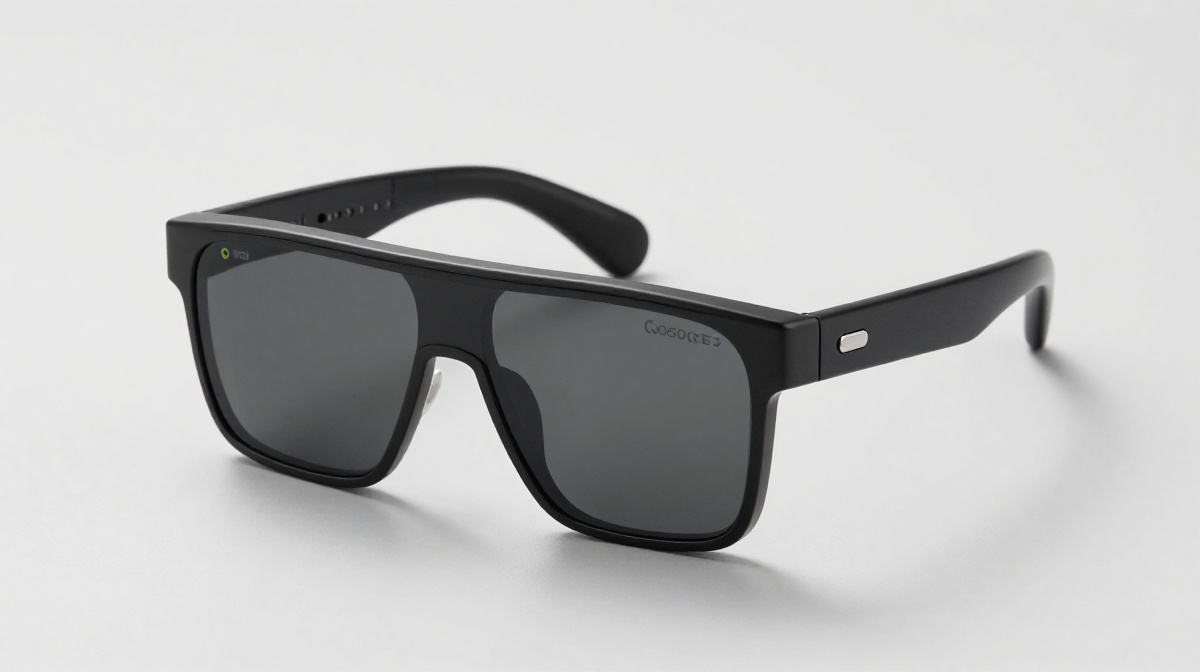
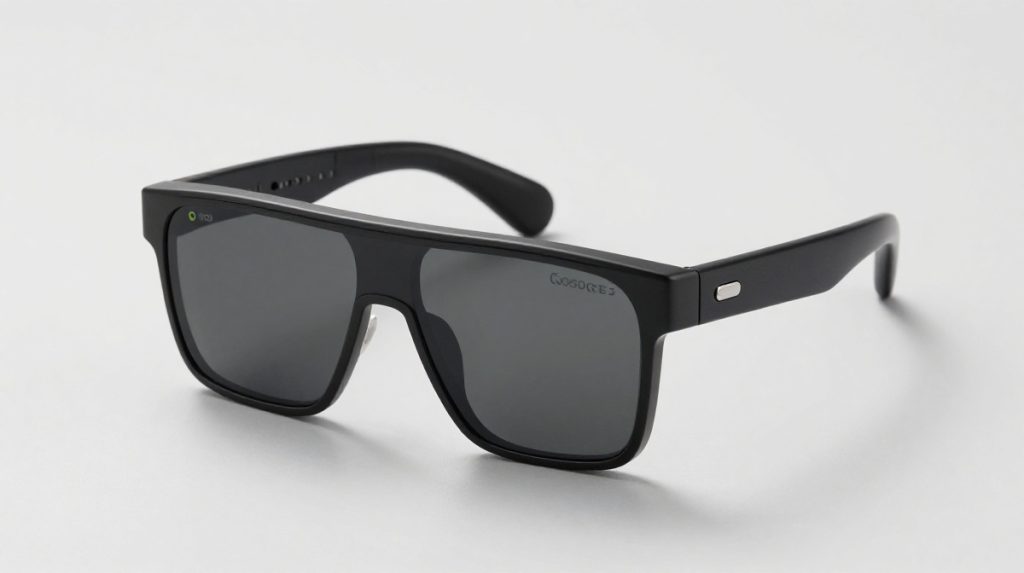
Google has changed its approach a lot since the days of Google Glass. The new glasses are made to look and feel like regular eyewear. Google has already partnered with fashion brands like Warby Parker and Gentle Monster on their designs. This change shows Google is focusing more on style and making the glasses feel normal. It also helps solve the “uncanny valley” problem that affected the first version.
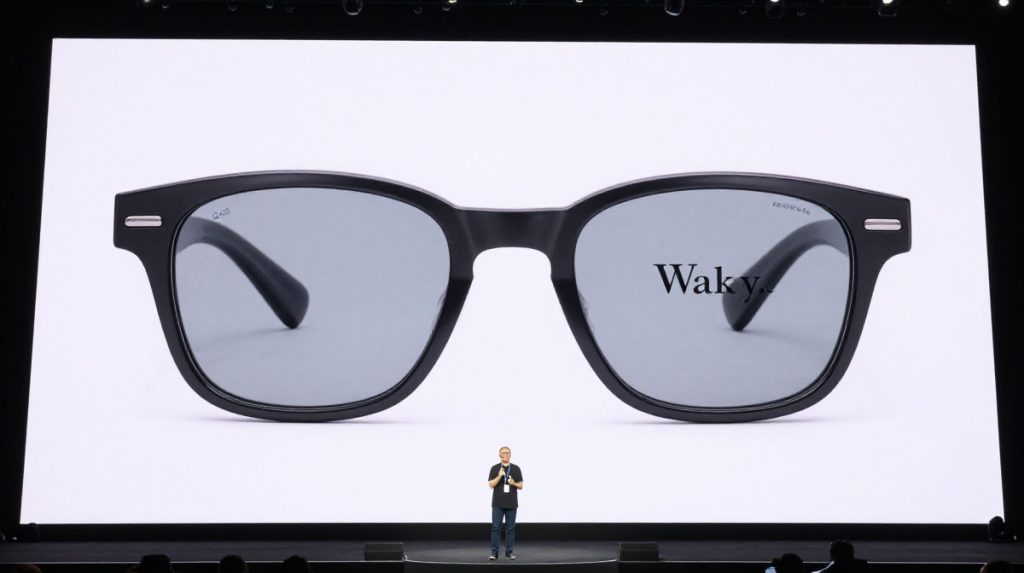
According to reports from BBC News, the upcoming glasses will feature a small camera and integrated speakers. The main purpose is to let users interact with Gemini using their voices. People wearing the glasses can ask questions about what’s around them, get directions, and handle calls or messages without touching a screen. Because the design focuses on audio, the device stays subtle and doesn’t stand out, unlike the earlier Google Glass, which was bulky and had a big display.
Still, the company plans to keep using visual interfaces. At the same developer conference, Google introduced “Project Aura,” a new line of eyewear that uses the Android XR operating system. These glasses differ from regular audio glasses because they have displays inside the lenses that can display text and augmented reality images. Although these glasses with displays are not yet available to the public, Google has launched the “Android XR Developer Catalyst Program” to help developers create apps for the platform.
Privacy, Utility, and the Competitive Landscape
The tech industry has changed drastically since the original Google Glass was pulled from shelves in 2015. Today, privacy concerns remain a focal point of public discourse regarding wearable cameras. Google faces a challenge in navigating the same concerns that have shadowed similar products from competitors, such as Meta’s Ray-Ban smart glasses. Meta has seen significant sales success in this category, and Google is positioning its new product as a direct competitor by emphasizing the deeper integration of its Gemini AI ecosystem.
Industry analysts suggest that the market is now more receptive to face-worn technology, provided the devices serve a practical, daily purpose rather than acting as a standalone computer. The utility of these glasses lies in their ability to provide real-time assistance—identifying landmarks, translating languages, or offering “vibe-coded” image editing commands.
For consumers, the change is obvious. Google is no longer trying to put a disruptive computer on someone’s face. Now, Google is focusing on making smart glasses a useful extension of the smartphone. The company is focusing on weight, style, and helpful AI features, hoping to avoid the problems that made Google Glass a cautionary tale.
In conclusion, Google is returning to the smart glasses market with a careful and strategic approach to wearable technology. The company is focusing on audio-first Gemini integration and stylish design, hoping to avoid the problems it faced before. It is still unclear if these glasses will become as popular as other smart wearables. However, the differences from the original Google Glass show that Google now values usefulness and comfort most. With the launch coming this autumn, many people are watching to see if these glasses will finally make head-worn technology a regular part of daily life.