
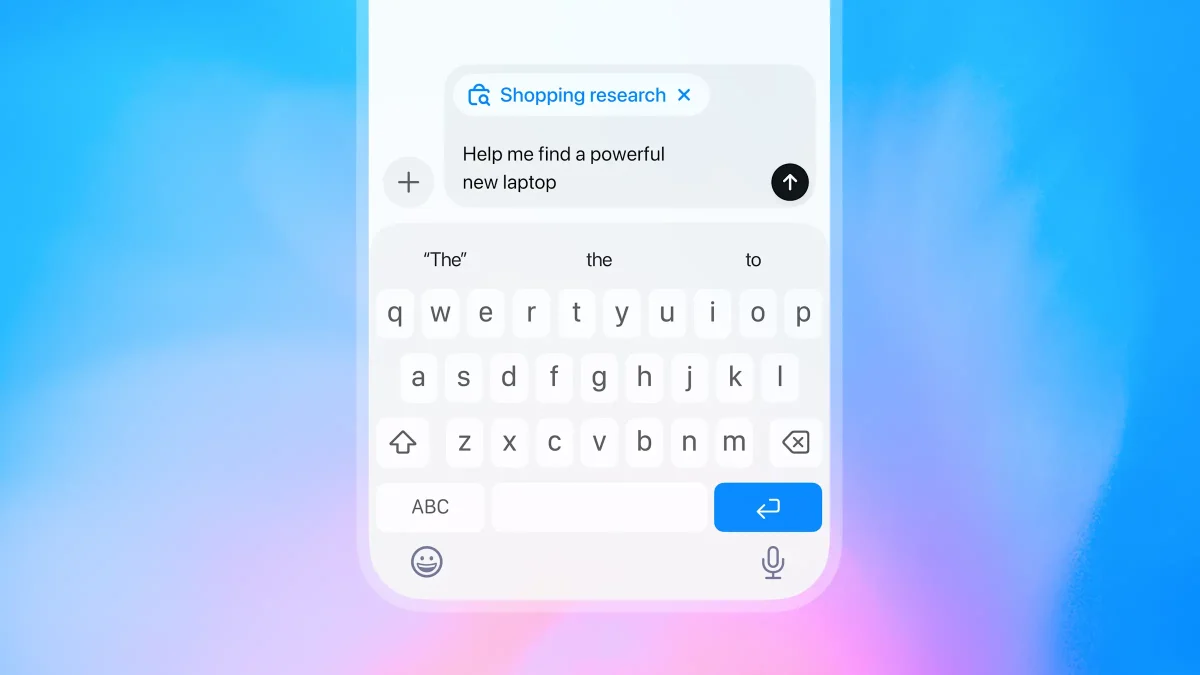

The newest AI shopping assistant can give you that kind of reality. These smart helpers are changing how we find and buy things online. Think about how great it would be to ask a friend for shopping advice and get answers right away that are particular to you. All of the big players are in. Rufus is Amazon’s assistant. ChatGPT has worked with Walmart and Target. The result means shoppers can buy faster and more directly. For businesses, it’s a change they can’t ignore.
Why your business needs an AI shopping assistant strategy
The rise of the AI shopping assistant is not a trend for the future; it is happening now. A FedEx report says that 97% of large U.S. stores are already using AI to improve the customer shopping experience.

A DHL study also found that 7 out of 10 shoppers worldwide want stores to offer AI-powered shopping features. Because so many people want to use AI shopping assistants, it’s important to know how they work for any modern e-commerce strategy. An AI shopping assistant differs from a regular search engine because it doesn’t just return a list of links. It looks at product data, reads reviews, and gives you direct suggestions as you talk.
With partnerships with stores like Etsy and Shopify, OpenAI’s ChatGPT and other platforms can now let users make purchases right in the chat window. This is called “one-stop shopping.” This significant change transforms how people discover products, shifting from using a search box to utilizing a chat window.
The AI shopping assistant’s product suggestions are now the most effective way for businesses to increase their visibility. These AI tools prioritize clarity and usefulness over keyword density. They seek product listings with structured data, clearly explain the product’s benefits in real life, and feature positive, thematic customer reviews. People are less likely to notice your product page if it only lists the specs.

Gen Z is the group driving this change. A recent survey by First Insight found that almost three out of four Gen Z shoppers expect to use AI for every step of their shopping journey, from finding what they want to paying for it. Merchants need to make their online stores work better for this new way of doing business to stay competitive.
This means changing the titles and bullet points of your products so they directly answer customer questions, and making sure your listings are the best possible answers when a shopper asks an AI shopping assistant for help.