
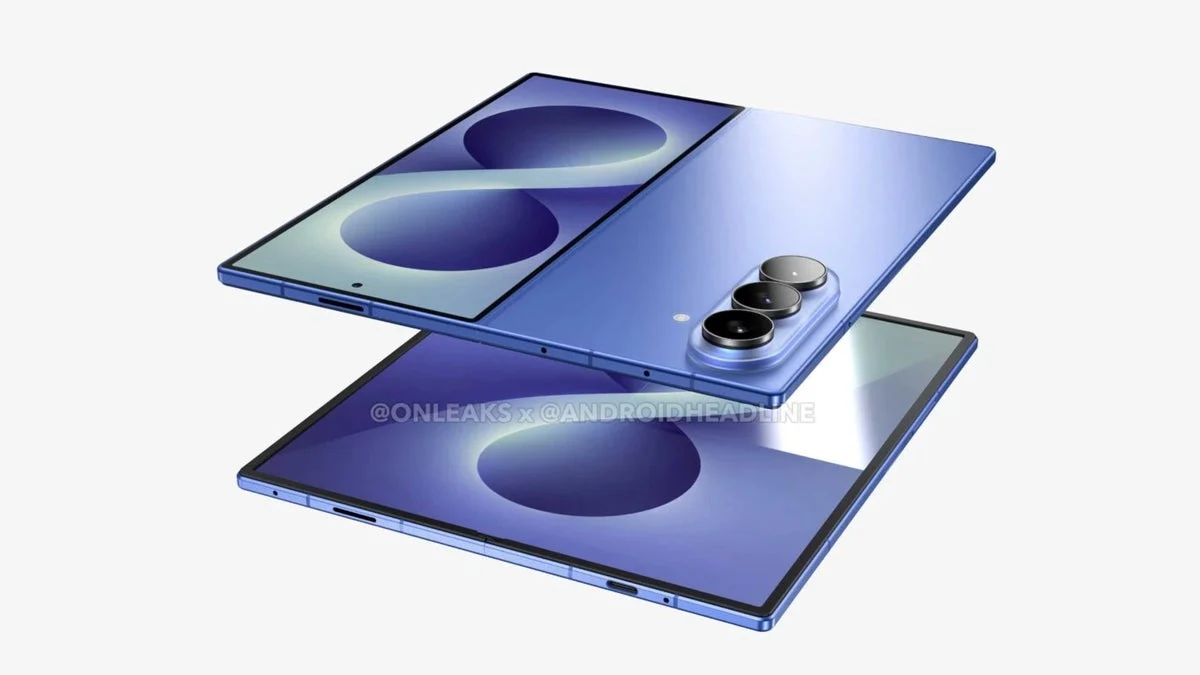
Samsung is reportedly changing its 2026 foldable phone plans, shifting from a single model to a two-model lineup. Recent supply chain reports and leaks suggest that, rather than the rumored “Wide” model, Samsung will likely release a regular Galaxy Z Fold 8 and a more advanced Galaxy Z Fold 8 Ultra. This change is important for most buyers because Samsung will keep some features exclusive to the Ultra model. The base model will be more affordable, while the top features will be available for those who want to pay extra.
At GadgetOnHand, we’ve tested 150+ budget smart devices since 2020. We focus on no-monthly-fee tech and log long-term reliability data. While the Fold series sits above our typical budget-friendly testing range, the components used here—hinge alloys, display substrates, and thermal management—often dictate the engineering standards for the entire industry. Here is what this potential split means for your next upgrade.
Key Facts: Galaxy Z Fold 8 Series (Rumored)
| Fact | Detail |
| Model Variants | Standard Fold 8, Fold 8 Ultra |
| Release Date | Expected Late 2026 |
| Market Segment | Premium / Enthusiast |
| Monthly Fee? | No |
| Needs Hub? | No |
Price: Pricing is unannounced. Current Z Fold series models typically range from $1,799 to $1,999 USD. Could you check the local price at official retailers?
The Galaxy Z Fold 8 “Ultra” branding confusion: A technical breakdown
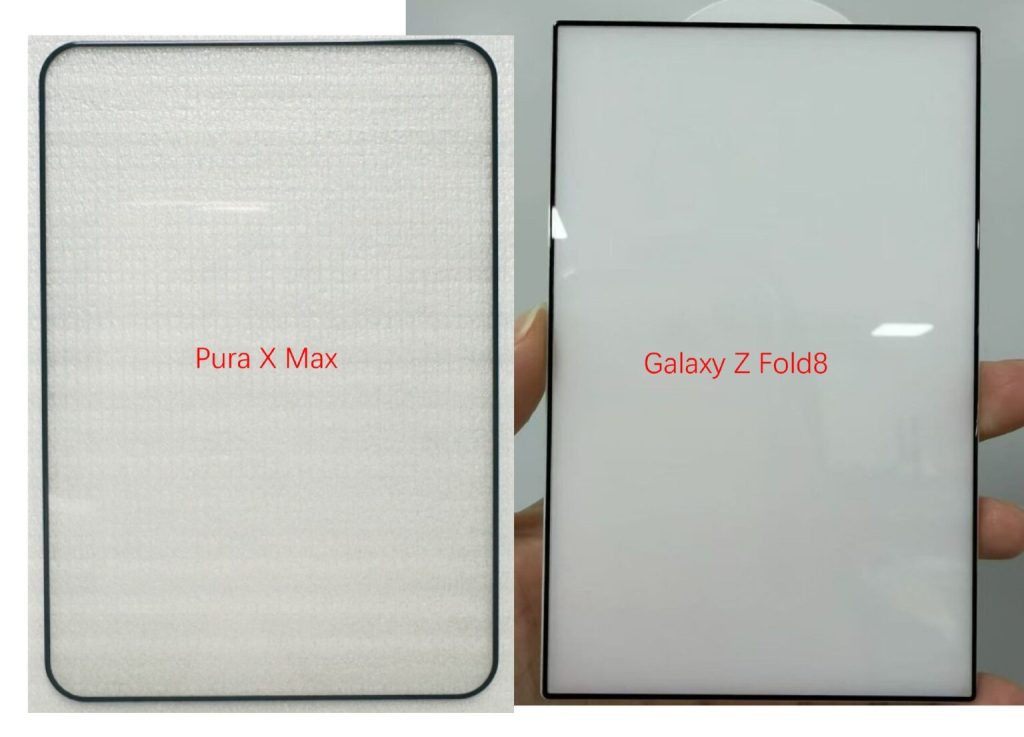
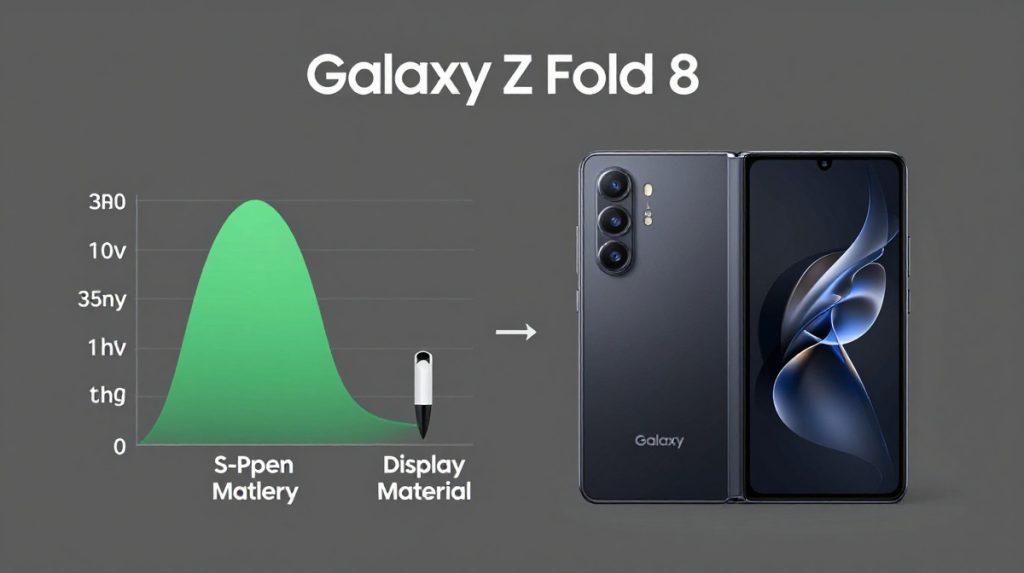
Samsung’s choice to call the new premium model “Ultra” is causing some confusion. Usually, when a product is called “Ultra,” people expect it to deliver the best performance across the board. But recent leaks suggest the “Standard” Fold 8 may be missing features Fold users are used to, such as S-Pen support and the new M14 display panel technology from the Galaxy S26 Ultra.
When a manufacturer splits a product line, the entry-level model often becomes a testing ground for thinner, lighter—but less “fully featured”—hardware. Readers should be cautious: do not assume “Standard” means a basic version of last year’s phone. It may actually be a significant departure in terms of productivity capability.
Hands-on reality check:
GadgetOnHand hasn’t lab-tested this specific lineup yet. Based on 5+ years of testing similar foldable devices, here is what real-world users should watch for:
- The Digitizer/Thickness Trade-off: There is growing concern that Samsung is removing the S-Pen digitizer layer to reduce chassis thickness. If you use your foldable for note-taking or creative work, check the official specs carefully before buying the “Standard” model. A “thinner” phone is only better if it doesn’t sacrifice the primary reason you bought a large-screen device in the first place.
- M13 vs. M14 Display Panels: Some reports say the Samsung Galaxy Fold 8 might still use M13 OLED, while the S26 Ultra has already switched to M14. In everyday use, M14 is about 20-30% more power efficient and lasts longer. If Samsung uses the older panel in the Fold 8 to cut costs, keep an eye on battery drain when using it outside in bright light. The older panel tends to get hotter and use more power.
Pros vs. Cons:
Pros
- Form Factor Options: A choice of sizes addresses the biggest long-standing user complaint about the Fold series’ narrow cover screen.
- Component Maturity: By the 8th generation, Samsung has likely refined the base-level hinge mechanism to be more dust-resistant, likely adhering to IP48 standards for protection against solid particles and moisture.
Cons
- Feature Gating: You may have to pay “Ultra” prices just to get basic features like S-Pen support or the latest display tech.
- Repair Complexity: More models mean more unique parts, which can lead to longer wait times for screen or battery replacements at authorized service centers.
- Performance Gap: If the Standard model skips the latest OLED material, you are effectively paying flagship prices for older display technology.
Who should buy / Who should skip
Who this is for:
- Enthusiasts who want the latest form-factor experimentation.
- Power users who rely on split-screen multitasking and need the extra screen real estate provided by the Galaxy Z Fold 8 series.
Who this is NOT for:
- Users prioritizing value for money, the cost-to-performance ratio for foldables remains lower than that of traditional flagship “slab” phones.
- People working in dusty or sandy environments where hinge longevity is a critical failure point.
In conclusion, Samsung is attempting to capture two market segments by splitting the Samsung Galaxy Z Fold 8 into Standard and Ultra models. While variety is good, the potential removal of core features, such as S-Pen support, from the base model is a concerning trend. We recommend waiting for independent, real-world battery and durability benchmarks before committing to an expensive pre-order.