
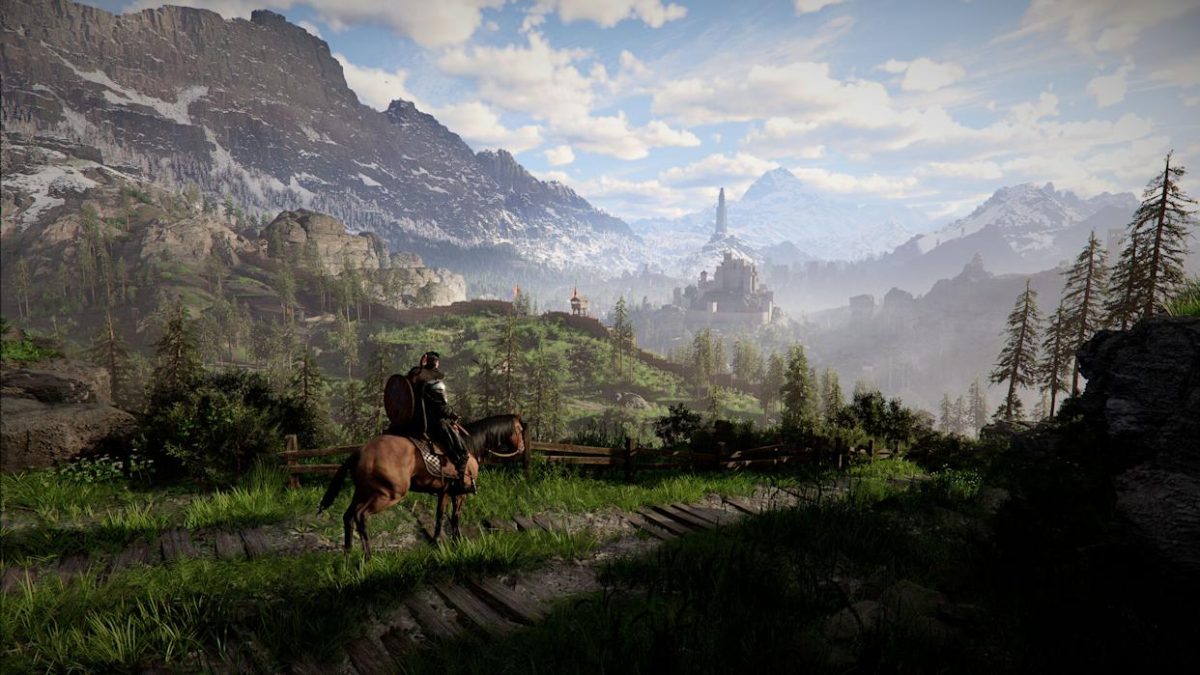

The developer of the highly anticipated open-world RPG Crimson Desert has apologized after players found several in-game paintings and props made with generative AI. Pearl Abyss said these items were experimental placeholders from the early stages of development that were accidentally left in the final version of Crimson Desert, which launched just a few days ago.
The controversy began soon after the game’s release, when players with sharp eyes shared screenshots of artwork featuring strange details and distorted anatomy—traits often seen in AI-generated images. Crimson Desert quickly became the center of a debate over openness and the use of AI in big-game development, prompting Pearl Abyss to act quickly.
A full audit and an honest apology from Crimson Desert
Pearl Abyss shared the problem in a long post on X (formerly Twitter). They said the team used “experimental AI generative tools” during the early stages of development to explore different visual tones and atmospheres quickly. The studio stressed that the goal was always to replace these temporary assets with final work by artists before the release, but that didn’t happen due to the rush to launch.
“We sincerely apologize for these oversights,” the statement read. “Following reports from our community, we have identified that some of these assets were unintentionally included in the final release. This is not in line with our internal standards, and we take full responsibility for it.”
Pearl Abyss has started a “comprehensive audit” of all in-game assets to fix the problem. The developer is now going through Crimson Desert and finding every piece of AI-generated content. They have promised to add new assets in future patches. Additionally, the studio has added the required AI disclosure to the game’s Steam page to follow Valve’s rules. It says that generative AI was used “in a supplementary capacity” to make 2D props.
Current Industry Landscape and recommended actions for stakeholders
This isn’t just a problem for Crimson Desert. The gaming industry has been struggling with generative AI, especially when it comes to placeholder assets that end up in final releases. IGN says that this event is similar to the controversy over Clair Obscur: Expedition 33, which lost awards after similar AI-generated textures were found. Other studios, like Embark Studios, have had to go back and revise AI-generated content after players complained, just as Pearl Abyss did.

For players who are currently exploring the world of Pywel in Crimson Desert, the controversy doesn’t change their immediate experience very much. The developer has said that the updates to remove the AI-generated art will come in patches, but they haven’t said when they will happen yet.
Important points to remember for players:
- Full Asset Replacement: Pearl Abyss is embarking on a thorough review to replace its AI-generated 2D props.
- Upcoming Patches: These corrections will be integrated into the game’s standard update cycle.
- Increased Transparency: The developer has committed to refining its internal procedures to improve communication and oversight moving forward.
In conclusion, the way Pearl Abyss dealt with the AI art controversy shows that people want game development to be more open. Crimson Desert saw strong sales at launch, but now the studio is working to rebuild trust by removing AI assets that weren’t meant to be there and promising better quality control going forward.


