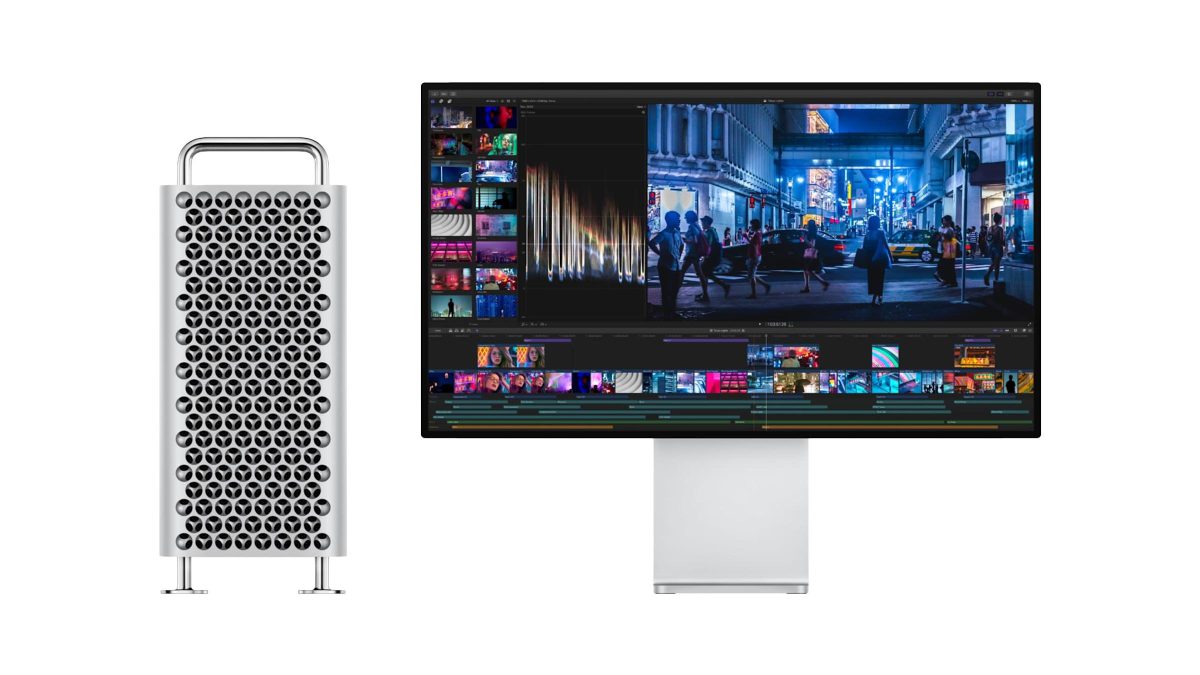

The Mac Pro is officially no more. Apple confirmed on March 26, 2026, that it has discontinued the iconic tower-shaped desktop, removing it from the website and online store. This decision brings an end to a nearly 20-year run for Apple’s most powerful and most expensive workstation.
The signs of this decision have been evident for some time. The last Mac Pro was updated back in 2023 with the M2 Ultra chip, but it retained the same “cheese grater” design introduced in 2019. According to reports from 9to5Mac and Bloomberg, the company has been slowly moving away from the tower form factor for years. With the Mac Studio offering similar—and in some cases better—performance in a much smaller package, the $6,999 starting price of the Mac Pro was getting harder to justify for most users.
The end of the Mac Pro era
For many professionals, the Mac Pro represented the ultimate in expandability. The ability to swap out graphics cards and add PCIe slots was its main appeal. However, Apple’s shift to its own silicon (Apple Silicon) changed the game. The unified memory architecture in M-series chips means that the old ways of upgrading RAM and internal components no longer fit Apple’s engineering roadmap.

Critics argue that the “trash can” design of the Mac Pro, introduced in 2013, marked its decline due to poor thermal management. Apple later apologized for that model, releasing the 2019 version to win back pro users. But just a year later, Apple announced the transition from Intel to its own M-series chips, signaling a new direction that the tower was never fully able to adapt to.
So, where does that leave creative pros? Apple is betting everything on the Mac Studio. Currently, the Mac Studio can be configured with the newer M3 Ultra chip, which outperforms the M2 Ultra found in the discontinued Mac Pro in almost every metric.
Here is why the Mac Studio is now the go-to for high-end users:
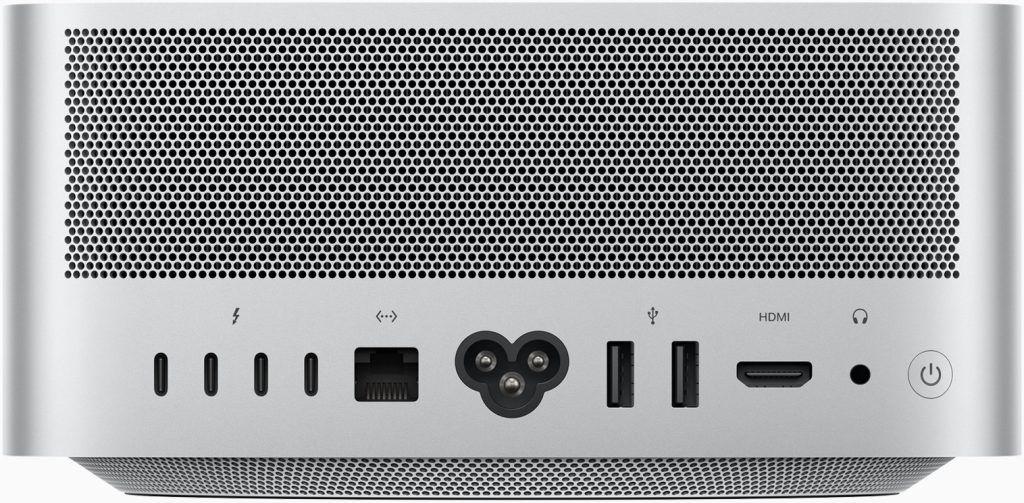
- Pure Power: It supports up to a 32-core CPU, 80-core GPU, and 256GB of unified memory.
- Connectivity: With Thunderbolt 5 ports, the Mac Studio supports faster data transfer and can drive up to four 8K displays.
- Scalability: For users who need more power than a single machine can offer, macOS now includes low-latency features like RDMA over Thunderbolt 5, allowing users to cluster multiple Macs together to work as one.
While the absence of PCIe slots might still be a hurdle for a small group of users needing specific capture cards or audio interfaces, for the vast majority of video editors, 3D artists, and developers, the Mac Studio offers a more modern, cost-effective path forward.
In conclusion, the Mac Pro was never designed for everyone, but it showed what Apple could do for professionals. Now that Apple has stopped making the Mac Pro, its desktop strategy has changed for good. The only desktops left are the iMac, Mac mini, and Mac Studio. Some people will miss the tower’s legacy, but it’s clear that Apple’s future in professional computing is smaller, faster, and all under the name Mac Studio.