

Apple age verification is becoming more common around the world as the company makes new tools to meet new child safety rules. These global updates prevent individuals in specific regions from downloading apps rated for adults exclusively. Apple implements this procedure to safeguard children from unsuitable content. In the end, Apple’s age verification process strikes a balance between strict compliance with the law and strong user privacy.
How the Apple age verification process restricts access
As governments globally create laws to restrict certain applications for minors, tech platforms must adapt. The newly expanded Apple age verification process directly addresses these legal requirements by actively blocking app downloads rated 18 and older in regions like Brazil, Australia, and Singapore. In these locations, the App Store automatically stops the download until the system confirms the user is an adult.
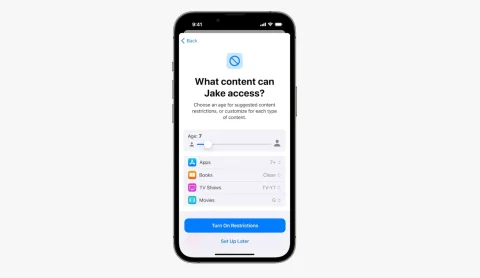
According to TechCrunch, the company is also rolling out updates for users in the United States, specifically in Utah and Louisiana, to meet local legal obligations. A core component of this age verification strategy from Apple is the Declared Age Range API. This tool allows app developers to request a user’s age category to determine if age-related regulatory rules apply.
This technical solution means that developers receive the necessary compliance signals without seeing exact birth dates. Furthermore, Apple’s age verification rules apply strict standards to specific game mechanics. For example, developers offering games with loot boxes—a feature lawmakers compare to gambling—will see their apps updated to an 18+ rating in Brazil. The Apple age verification tools also notify developers if they need parental permission to process significant app updates for children.
Key benefits of the Apple age verification updates
The Apple age verification framework is excellent for families, developers, and regular people. The new Apple age verification system makes sure that the digital world is safe by putting privacy and safety first.
The system automatically blocks access to social media and other apps that require users to be at least 18 years old. This is better for kids.
- Strict Data Privacy: Developers who use the API only get a range of ages, not private information like birth dates.
- Automatic App Store Enforcement: The App Store checks to see if users are adults before letting them download apps that are only for adults.
- Integration of parental controls: Parents have to agree to big changes to apps, which gives them more power over what their kids do online.

FAQs
Q: What are the new tools supposed to do?
The main goal of Apple’s age verification rollout is to keep kids from downloading games and apps that are rated 18 and up, which is what child safety laws around the world say they should do.
Q: How does the system protect my private information?
The age verification tools from Apple use a special API that only lets developers know the age range. This keeps your exact birth date and other private information safe.
Q: Does this change how games that let you buy things in the app work?
Yes, some places now believe that certain mechanics are only for adults. For example, Brazil’s rules for checking the age of Apple users automatically give games with loot boxes an 18+ rating.
Q: Will this rollout happen all at once?
The tools are currently being used in Brazil, Australia, Singapore, and some states in the U.S. You can’t check someone’s age in these places. However, Apple designed the age verification system to expand its reach as new laws come into effect.
Conclusion: The Apple system for age verification is now available in all countries. It protects kids and makes the internet safer and more private. It also gives developers the tools they need to stay within the law in their area.