
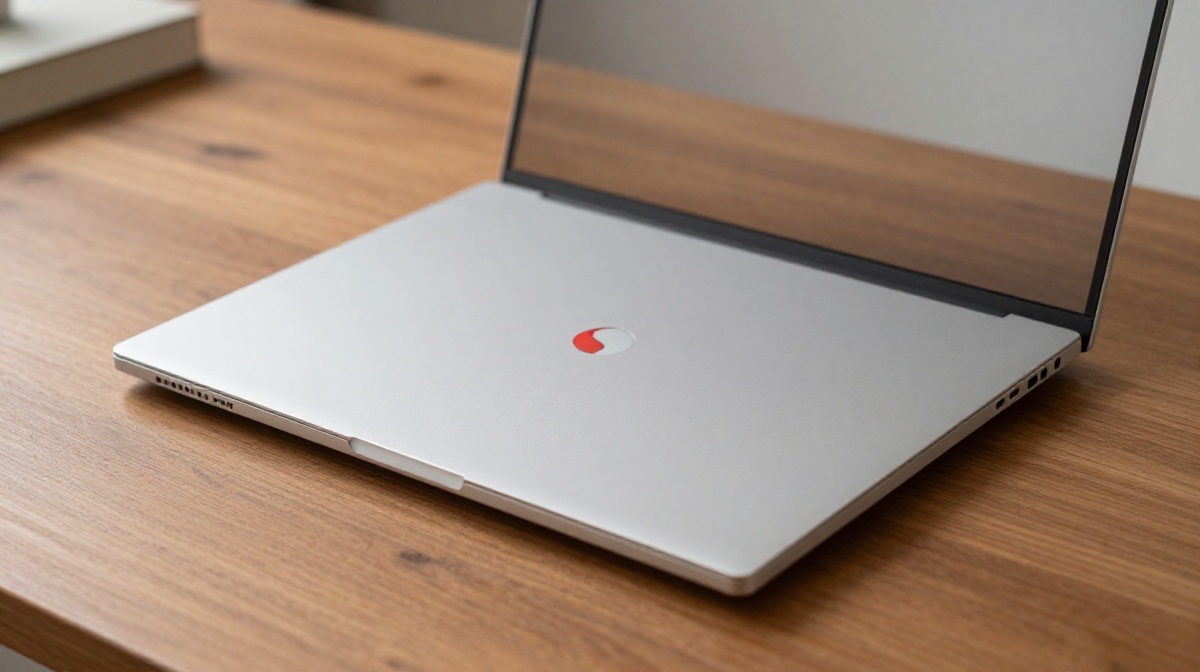
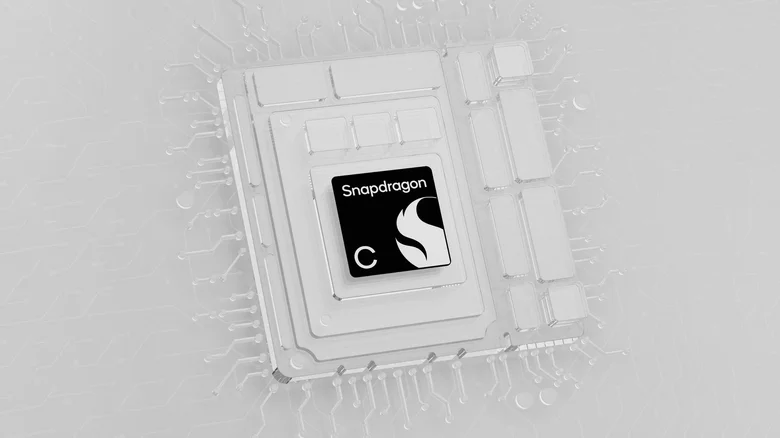
Qualcomm is taking on the “budget laptop trap” by announcing its new Snapdragon C platform. This new chip family is designed for Windows 11 laptops starting at $300. It offers a reliable, efficient alternative to the underpowered x86-based processors that have been common in entry-level laptops.
For budget-conscious students, families, and small business owners, this is a development worth watching. By leveraging phone-first silicon architecture, Qualcomm is betting it can deliver all-day battery life and quiet, fanless designs at a price point previously dominated by sluggish hardware.
Key Facts: Snapdragon C Platform
| Feature | Details |
| Target Price | $300 and up |
| Architecture | Custom Kryo (Arm-based) |
| AI Capability | Integrated NPU included |
| Battery Life | Manufacturer-claimed “all-day” |
| OS | Windows on Arm |
| Needs Hub? | No |
GadgetOnHand hasn’t lab-tested these Snapdragon C units yet, as they are expected to arrive later in 2026. However, based on my 5+ years of testing budget laptops—and the history of low-cost Windows PCs—here is what potential buyers should watch for:
- The RAM Trap: Qualcomm and Acer suggest 8GB of RAM should be standard, but many budget Windows laptops still struggle with multitasking, especially if the memory is soldered or slow. Make sure any laptop you buy has at least 8GB of RAM. If it’s low, you’ll likely notice your computer slowing down when using modern web browsers.
- Storage Speed vs. Capacity: A $300 laptop might come with a 512GB SSD, but not all storage is the same. Some cheaper models use eMMC storage, which is much slower than NVMe. If you need the laptop for school or a small business, check the spec sheet to make sure it lists an NVMe or PCIe SSD. This will help you avoid slow loading times.
Why this matters: The Snapdragon C effect
The entry-level market has been disrupted by Apple’s $599 MacBook Neo. While Qualcomm’s Snapdragon C aims for a much lower price point ($300), it has to convince consumers that a budget Windows PC isn’t just a “disposable” machine.
By integrating a dedicated NPU (Neural Processing Unit), Qualcomm is bringing AI-accelerated features—such as improved webcam background blur and noise cancellation—to the entry tier. This is a significant differentiator, as most sub-$400 PCs currently lack the overhead for these tasks. Unlike the premium Snapdragon X series, which uses the high-performance Oryon architecture, the Snapdragon C-series uses a power-efficient Kryo design, making it more akin to the chips found in high-end mobile devices.
Pros vs. Cons
Pros:
- Battery Efficiency: The Arm architecture historically excels at preserving battery life during light media consumption.
- AI Integration: Standardizing NPUs in $300 laptops helps future-proof simple productivity tasks.
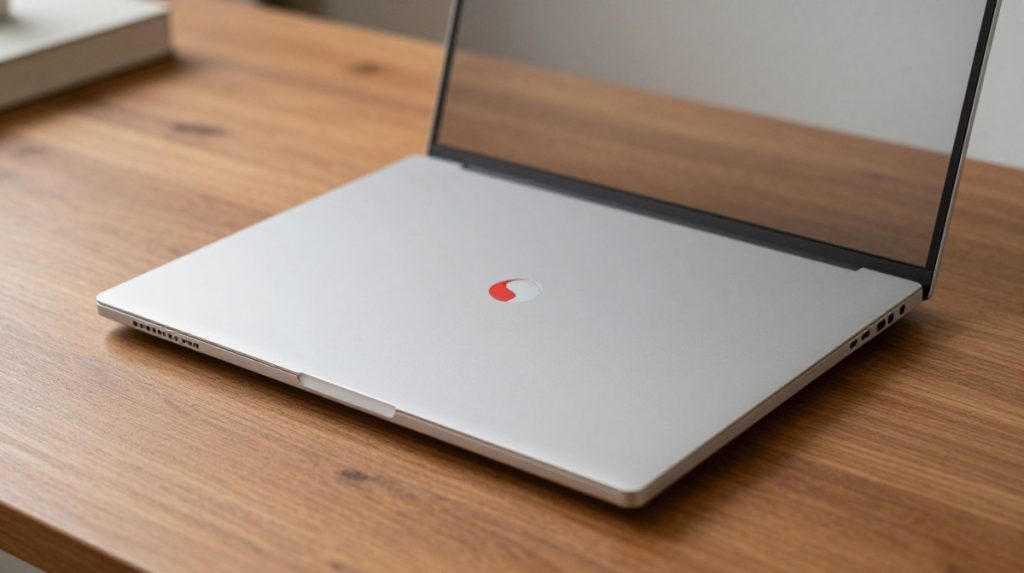
- Quiet Operation: Efficiency enables fanless designs, so there’s no distracting whirring during quiet study sessions or meetings.
Cons:
- Compatibility Risks: As a Windows on Arm platform, users should verify that their specific printer drivers or niche software are compatible with it.
- Performance Ceiling: This chip is not for video editing, 3D gaming, or heavy multitasking; it is strictly built for browser-based work and streaming.
Who should buy / Who should skip
- Who this is for: Students needing a reliable machine for research and essay writing, parents looking for a family media device, and small business owners needing a simple front-of-house PC for invoicing or scheduling.
- Who this is NOT for: Content creators, gamers, or power users who require high-performance multi-core processing for heavy creative suites.
In conclusion, Snapdragon C seems like a good step forward from the usual ” cheap laptop” image. Still, its real success will depend on whether manufacturers choose quality screens and sturdy designs. If Acer, HP, and Lenovo can keep prices fair and still deliver good quality, we could finally have a real Windows-based rival to Chromebooks. Wait to make any decisions until we release our full lab test results later this year.