
The European Union has fined the e-commerce platform Temu €200 million, or about $232 million USD, for failing to stop the sale of illegal and unsafe products. This penalty, issued under the Digital Services Act (DSA), follows a lengthy investigation that found dangerous baby toys and faulty electronics for sale on the site.
For GadgetOnHand readers who prioritize both cost savings and hardware safety, this news is a major red flag. While the platform offers low prices, the E.U. Commission has determined that Temu’s current risk assessment systems are fundamentally insufficient to protect consumers.
Key Facts: Temu EU Fine
| Feature | Details |
| Fine Amount | €200 Million ($232 Million USD) |
| Primary Issue | Sale of illegal/unsafe products |
| Key Concerns | Choking hazards, chemical risks, faulty chargers |
| Action Deadline | August 28, 2026 |
| Needs Account? | No |
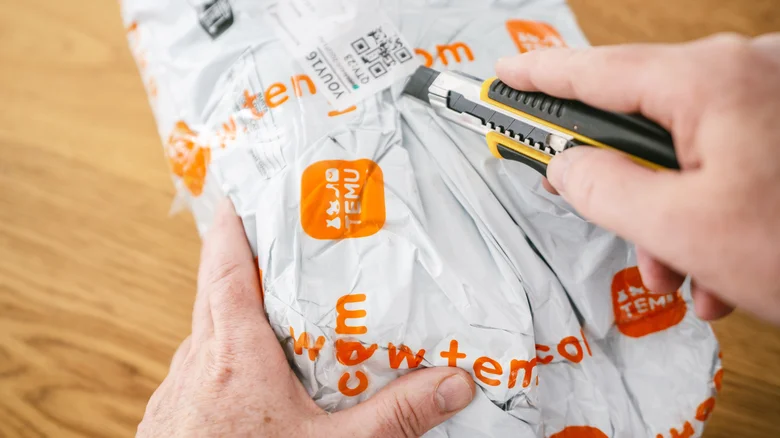
Is Temu risky tech? A hands-on reality check
GadgetOnHand hasn’t lab-tested specific “illegal” items from Temu, but my 5+ years of testing budget-tier consumer electronics reveal clear indicators that a product may be unsafe. When buying from third-party marketplaces, watch for these two warning signs:
- Missing Certification Marks: Authentic electronics should feature visible safety certifications, such as CE (in Europe), UL, or ETL. If a charger lacks these stamps or if the stamps look poorly printed, it likely hasn’t passed standard short-circuit or fire-hazard tests.
- “Universal” Power Adapters: Be wary of power bricks that claim compatibility across multiple voltage standards without clear labeling or internal over-voltage protection. Budget chargers often omit necessary transformers, which can lead to overheating or electric shock in real-world use.
The European Commission conducted “mystery shopping” exercises that revealed a “very high” percentage of tested chargers failed basic electrical safety tests. Furthermore, baby products were found to contain chemicals exceeding permitted safety thresholds.
The fine is not only about the products themselves. It also concerns how Temu’s recommendation algorithms and influencer partnerships are said to increase the visibility of these unsafe items. Regulators said Temu’s risk assessment was too general and failed to consider the specific harm that these cheap, unvetted items could cause users.
Pros vs. Cons
Pros:
- Extremely Low Pricing: Remains one of the most affordable marketplaces globally for non-electronic goods.
Cons:
- Inconsistent Quality Control: High risk of encountering items that breach international safety standards.
- Regulatory Scrutiny: The platform is now under a microscope, which may lead to service interruptions or changes to inventory by August.
- Hidden Safety Risks: Budget electronics often cut costs by stripping out safety fuses or using subpar internal wiring.
Who should buy / Who should skip:
- Who this is for: Budget shoppers who stick to non-electrical, low-risk items like office supplies or basic home decor that do not have safety or chemical risks.
- Who this is NOT for: Parents buying products for children, and anyone looking for essential electronics like phone chargers, batteries, or power banks. If it plugs into a wall, it is currently a “buyer beware” category on this platform.
In conclusion, the $232 million fine is a clear reminder that very low prices can mean less safety testing. Until Temu shares a proper action plan with the E.U. in August, I suggest avoiding electrical hardware and children’s products from their site. For anything that plugs into your home, it’s safer to buy from well-known retailers.