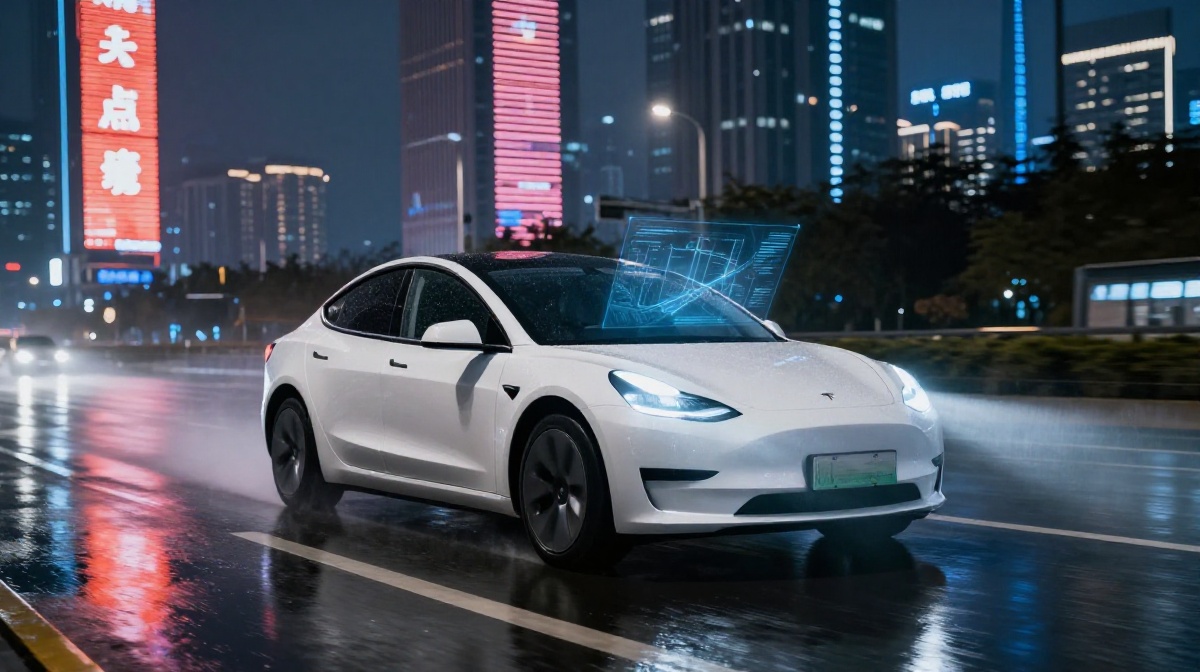

Tesla has officially expanded its supervised Full Self-Driving (FSD) software to the Chinese market, marking a significant milestone for the electric vehicle manufacturer. This update allows customers in China to access advanced driver-assistance features previously available only in other international markets.
This step is important for Tesla as the company works to build a stronger presence in the world’s largest electric vehicle market. With the launch of FSD, Tesla is making its advanced automation technology available to more people. This move also helps Tesla compete with Chinese automakers, which are rapidly improving their self-driving capabilities.
Tesla FSD in China key updates and challenges
According to a report by Engadget, Tesla now lists China among the 10 countries where its supervised FSD system is available. This version of the software requires drivers to remain attentive and ready to take control of the vehicle at any moment, as it is not yet fully autonomous.
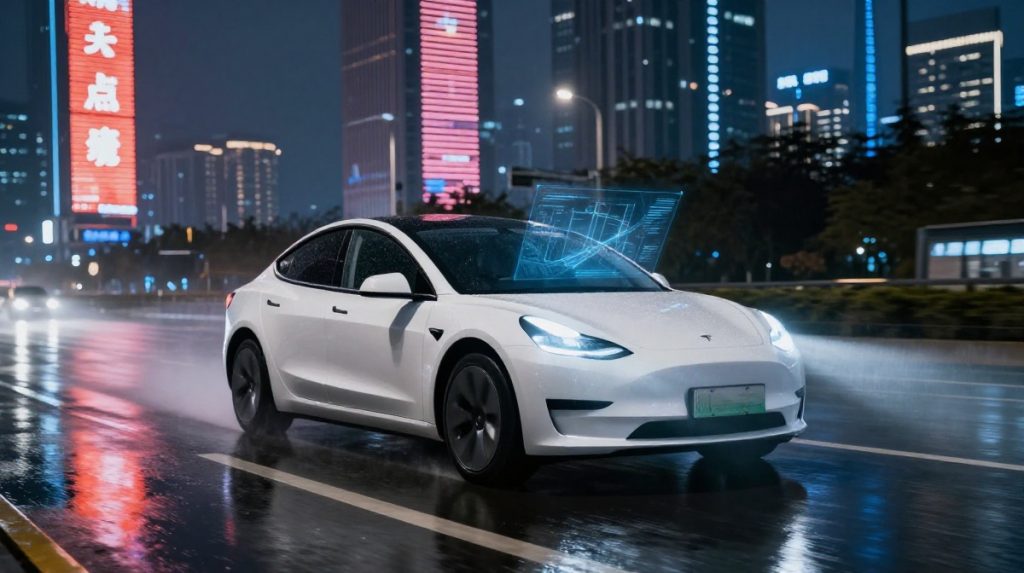
In China, this technology is available as an add-on for the Model 3 and other vehicles that support it. The system, called “intelligent assisted driving” by the company, costs 64,000 yuan, or about $9,410, as a one-time purchase. This pricing is different from the subscription model Tesla recently introduced in the United States, where the feature now costs $99 per month.
Before this change, Tesla owners in China could only use older driver-assistance systems, such as Autopilot and Enhanced Autopilot. Bringing FSD to China took years of testing and working through complex regulations. CEO Elon Musk said the company has worked closely with local authorities and partners to map roads and make sure the software meets local safety standards.
What this development means for Tesla’s future
The launch of Tesla FSD in China is not just about bringing a new feature to market; it is a critical test for the company’s global software strategy. Because the driving environment in China—characterized by dense urban centers and unique traffic patterns—is vastly different from North America, the data gathered from these new users will be invaluable.
While the current version is “supervised,” the company’s long-term goal remains the realization of fully unsupervised, autonomous driving. Although CEO Elon Musk has frequently predicted the widespread availability of fully autonomous systems, that technology currently remains limited to specific robotaxi pilots in select U.S. cities, such as Austin and Dallas.
The company’s successful entry into the Chinese autonomous software market underscores the automaker’s ability to overcome significant regulatory challenges. As the company continues to refine its algorithms, its software’s global reach will likely grow.
The company has overcome a big challenge by introducing its supervised Full Self-Driving technology in China. This move shows the company’s focus on growing its software-based ecosystem and gives Chinese customers access to the latest automotive technology. As Tesla gathers more data and improves its systems worldwide, this launch marks an important moment in the company’s global story.