
Disney is facing a massive class action lawsuit over its controversial decision to use facial recognition technology at theme park entry gates. The sweeping legal complaint claims the entertainment giant scans the faces of thousands of visitors without adequate warning or consent. Because biometric information is highly sensitive, privacy advocates argue the brand is violating consumer protection rules to speed up its theme park operations.
Disney’s recent legal issues highlight a growing clash between what is easy for companies and individuals’ online privacy rights. The company introduced advanced scanners at its California theme parks to speed up entrance lines and prevent ticket sharing. But since visitors have to give up their biological data just to get in, many regular people are now taking legal action to protect their personal information.
Why are Theme Park visitors taking Disney to Court?
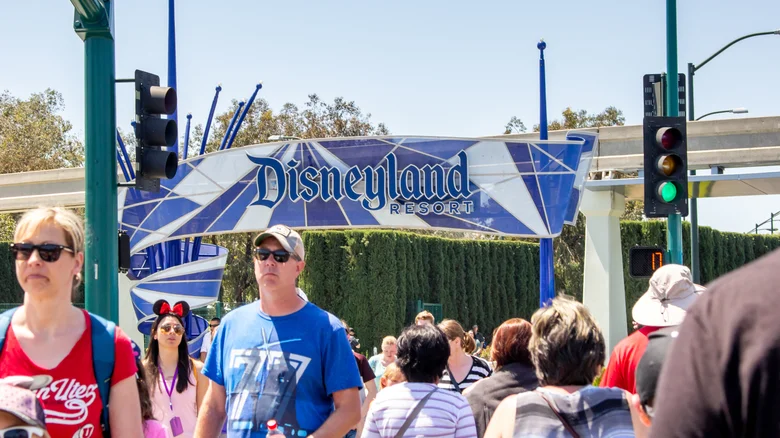
The tracking dispute began when the company updated its main entrance gates at Disneyland and Disney California Adventure. According to a report by Engadget, the newly filed lawsuit seeks at least $5 million in damages on behalf of affected park visitors. The legal filing states that the company forces people to undergo biometric scans without providing a clear or easy way to opt out of the system.
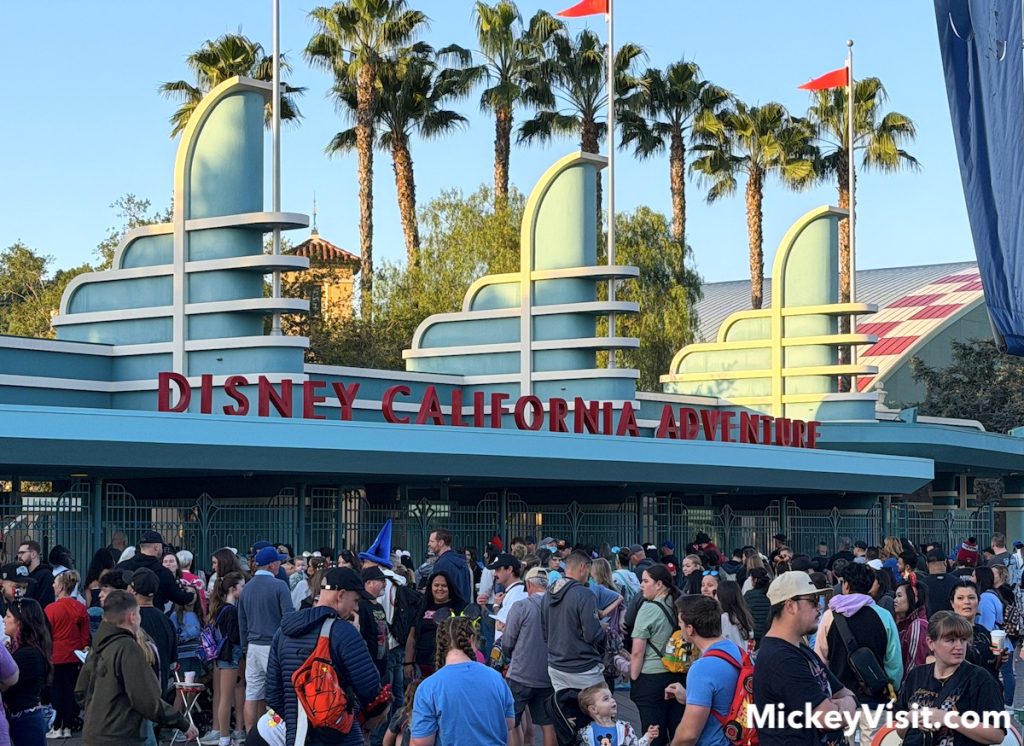
The system takes a digital photo of each visitor’s face when they scan their park ticket for the first time. Next, the computer converts the photo into a unique numerical code that serves as a permanent ID linked to the visitor. Detailed coverage from Mickey Visit says this automated process lets visitors get through security gates much faster when they return. However, some lawyers say that asking travelers to handle their own privacy settings at busy turnstiles puts too much responsibility on the public.
The entertainment brand says it deletes raw scanner images within 30 days, but the lawsuit questions if this timeline is accurate. The lawsuit notes that the company regularly compares new face scans with old ticket records and annual passes. This suggests that biometric profiles stay in company databases much longer than most people think.
This is not the first time the company has faced heavy scrutiny over its consumer data collection methods. According to data privacy updates from Hunton Andrews Kurth LLP, the California Attorney General recently hit the business with a record $2.75 million fine for failing to respect consumer opt-out choices across its online streaming apps. As tech enthusiasts and regular citizens become more aware of these digital privacy issues, international corporations are facing extreme pressure to explain exactly how they use and store biometric information.
What the lawsuit means for Theme Park Guests
- Required Written Consent: A victory for the plaintiffs would force theme parks to get explicit written permission before taking any facial biometric scans.
- Clearer Entry Options: The legal action aims to force businesses to provide clearly marked, non-digital entry lanes that do not use surveillance cameras.
- Stronger Data Protection: If successful, the case will force entertainment companies to adopt stronger data protection measures to prevent hackers from stealing customer facial data.
- Informed Public Signs: The lawsuit demands that clear warnings be posted well outside park gates so families can make an informed decision before buying expensive tickets.
The ongoing legal dispute is a key moment for how consumer surveillance is handled in public entertainment venues. Many popular vacation destinations want to use automated technology to help manage large crowds, but tracking people’s unique biological features brings up important legal concerns. The outcome of this legal challenge will shape how Disney manages guest identity checks and digital privacy going forward.