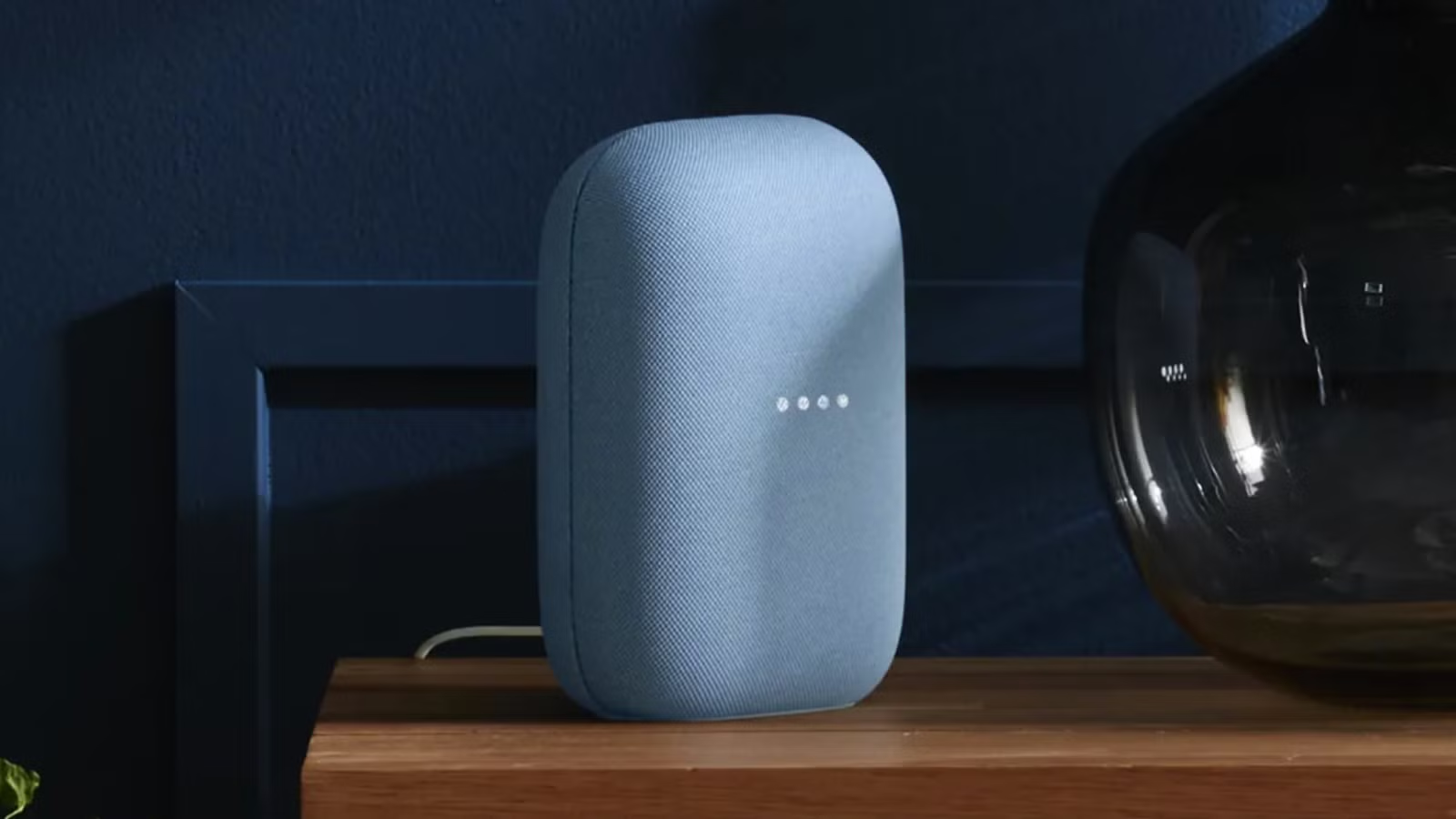

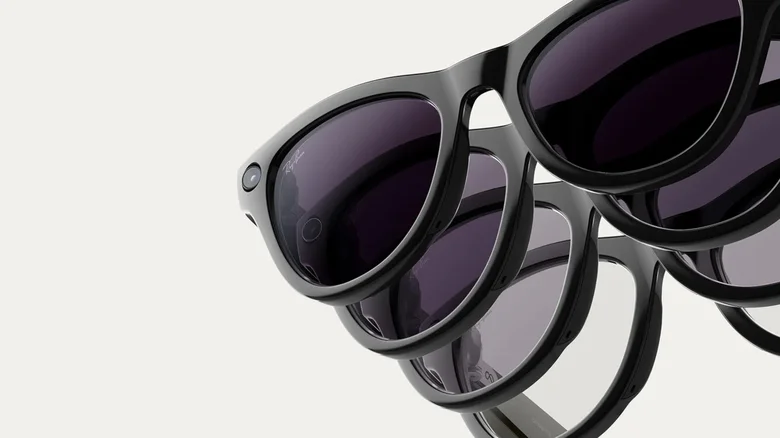
Meta is aggressively expanding its hardware portfolio beyond the established Ray-Ban smart glasses. According to recent internal memos, the company is developing a new AI-powered pendant and several additional smart glasses models slated for a 2026 rollout. For GadgetOnHand readers, this represents a significant shift: Meta is moving away from purely “visual” augmented reality toward “ambient computing”—technology that assists you in the background without a screen.
Understanding Meta’s AI hardware strategy
| Feature | Details |
| New Form Factor | AI-Powered Pendant (Clip-on) |
| Expanded Lineup | Four new smart glasses (Codename: Mojito, etc.) |
| Core Software | Llama 4 AI / “Hatch” Agent |
| Market Target | Enterprise (“Wearables for Work”) & Consumer |
| Needs Hub? | No (Bluetooth pairing to phone) |
| Price | TBD (check local pricing) |
Why Meta is Pivoting to AI Wearables?

This hardware push is a direct response to the massive operating losses reported by Meta’s Reality Labs division. By shifting toward “always-on” AI wearables—inspired by their acquisition of the startup Limitless—Meta aims to create a sticky ecosystem of productivity tools.
Unlike the heavy VR headsets of the past, these devices are designed to be friction-free. They are intended to record audio, summarize meetings, and provide real-time voice prompts, effectively functioning as a “super-assistant” that stays clipped to your lapel.
Expert Reality Check: Technical Performance and Reliability
GadgetOnHand hasn’t lab-tested these upcoming Meta devices, but I have spent over five years benchmarking consumer-grade smart wearables. When considering these new form factors, here is what you need to look out for:
- Thermal Throttling vs. Battery Life: Pendants that perform “on-device” AI processing face a major physics problem: heat. In my testing of small-form-factor devices, heavy AI tasks trigger thermal throttling, slowing response times. You should monitor whether the pendant runs processing locally or relies on a “cloud handshake.” If it is cloud-reliant, performance will fluctuate wildly based on your local network speed.
- Connection Stability: Most screenless wearables connect to your smartphone using Bluetooth LE. From what I’ve seen with similar devices, the main problem isn’t the AI. It’s usually the Bluetooth connection. If the device can’t reconnect on its own after you leave your phone’s range, it’s basically useless. Could you make sure the device has strong dual-radio support so it really stays connected all the time, as promised?
Practical Benefits vs. Technical Limitations
Benefits:
- Contextual Assistance: AI that hears what you hear can provide instant summaries, saving you from manual note-taking.
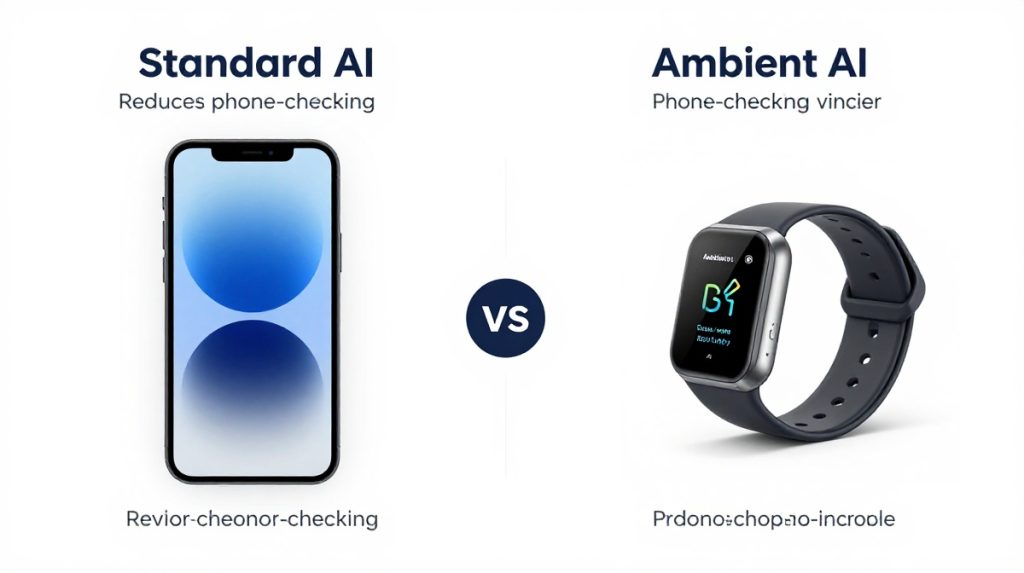
- Reduced Cognitive Overload: By offloading simple tasks like reminders and scheduling to a voice-based assistant, you keep your eyes on the world rather than on your phone screen.
Limitations:
- Privacy and Data Handling: As noted in FCC guidance on RF safety and personal data, any “always-listening” device introduces significant security risks. Meta will need to clarify how much data is processed locally versus on their servers.
- The “Social Friction” Factor: As seen with earlier AI pendants, wearing a device that looks like a camera or a microphone can make others uncomfortable in social or professional settings, potentially limiting where you can realistically use it.
Who should skip this launch: This device probably isn’t the best choice if you care a lot about digital privacy or don’t like hardware that needs a subscription. If keeping up with your smartwatch’s batteries and permissions already feels like too much, adding another wearable that needs daily care might just add to your stress.
In conclusion, Meta’s strategy is straightforward. They aim to control the “ambient” part of your everyday experience. The technology looks impressive in theory, but how useful it is in daily life will depend on battery life and how well it stays connected. It’s best to wait for independent reviews of battery life and privacy features before deciding to buy.